
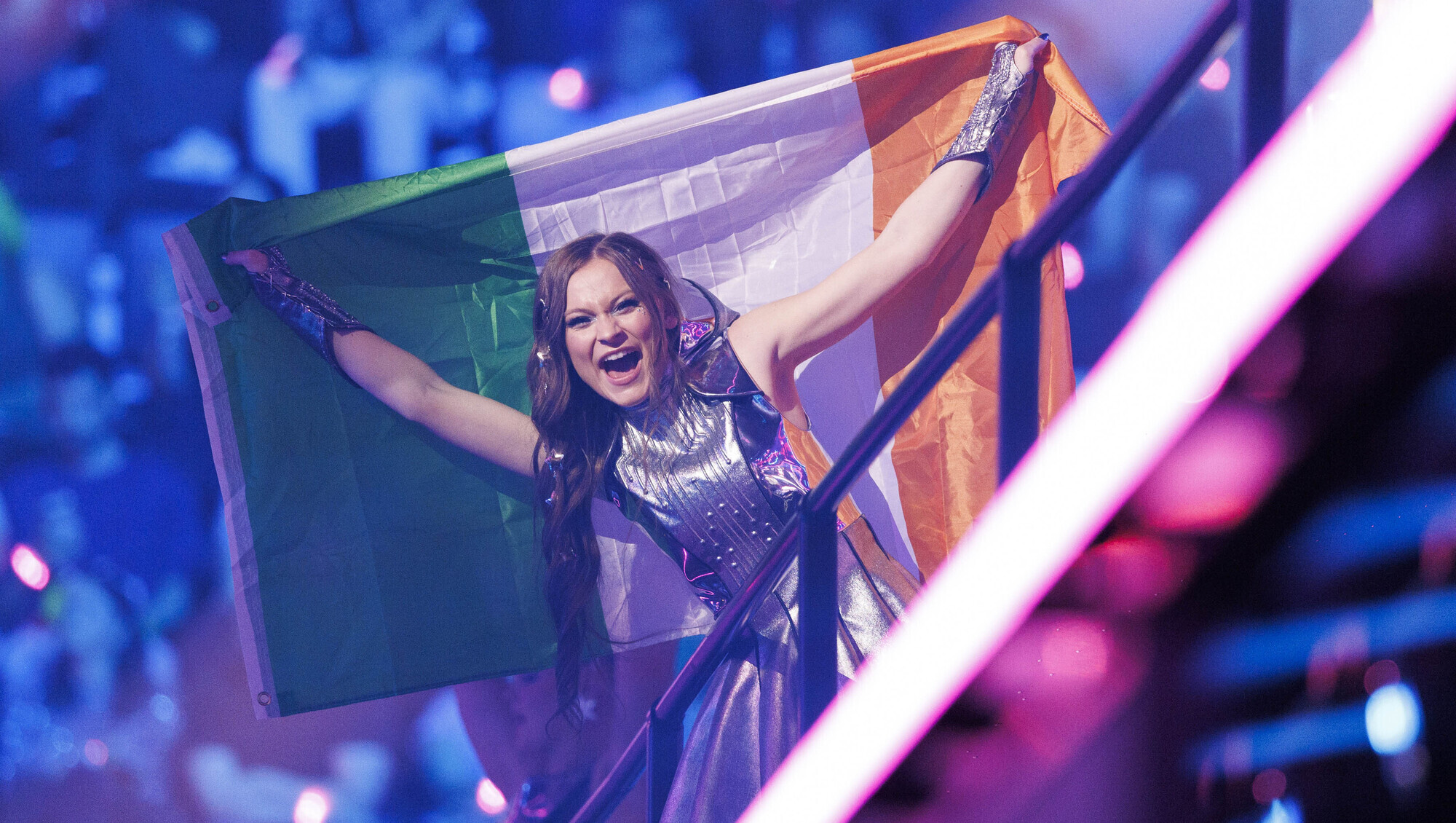

The Eurovision Song Contest, known for celebrating music, culture, and international camaraderie, is facing an unprecedented dispute this year. Ireland’s potential withdrawal over Israel’s participation has sparked widespread debate among fans, politicians, and cultural commentators. This conflict reflects the increasingly complex intersection of politics and entertainment, where geopolitical disagreements can influence even widely celebrated cultural events. While Eurovision has traditionally sought to maintain neutrality and foster unity through music, the Irish announcement signals how international tensions can disrupt the spirit of such global celebrations.
Political factors in a cultural gathering
Ireland’s statement regarding Eurovision comes amid longstanding political tensions in the Middle East. Officials from the Irish delegation have cited ethical concerns and ongoing conflicts as reasons for reconsidering participation if Israel competes. This stance has provoked discussions across Europe about whether cultural events like Eurovision can remain insulated from political debates or whether they inevitably reflect broader international issues.
Historically, Eurovision has carefully managed political sensitivities, with both participants and organizers striving to emphasize music over political declarations. Despite this, the competition has seen controversies in the past, from voting controversies to boycotts, showing that the boundary between celebrating culture and political discourse is frequently unclear. Ireland’s threat introduces additional complexity, prompting discussions about the obligations of countries in harmonizing ethical factors with cultural participation.
The stance of Ireland highlights the significant impact of popular sentiment and activist organizations. Influence from the public and advocacy groups has frequently guided national choices about global events, illustrating that taking part in Eurovision extends beyond merely displaying musical abilities—it can also represent a nation’s ethical and political viewpoint.
Responses from Israel and the global community
Israel’s participation in Eurovision has historically been a source of both excitement and tension. The country has produced multiple winners and memorable performances, yet its political situation has occasionally drawn criticism from other nations. The Irish threat to withdraw has elicited varied responses: some commentators emphasize the importance of separating politics from entertainment, while others argue that boycotts are a legitimate form of protest in response to ongoing conflicts.
European broadcasters and Eurovision organizers are now facing the challenge of mediating the situation. The European Broadcasting Union (EBU), which oversees the contest, has long maintained that Eurovision should remain politically neutral. Yet, as Ireland’s threat demonstrates, maintaining neutrality is not always straightforward, especially when public sentiment and government positions collide with the contest’s operational decisions.
The international reaction also highlights the balancing act countries must perform between diplomatic considerations and cultural diplomacy. Ireland’s stance could influence other nations with similar concerns, potentially encouraging a wave of ethical scrutiny or even additional withdrawal threats. Conversely, some countries view participation as a platform to promote peace and dialogue, reinforcing the idea that Eurovision can serve as a bridge rather than a battleground.
Implications for Eurovision and global perception
If Ireland decided to carry out its warning, it might have major impacts on Eurovision’s reputation and audience. The exit of a long-term participant could establish a model for upcoming political issues to influence the contest, possibly weakening its fundamental goal of bringing countries together with music. Furthermore, the public’s view of Eurovision as an entirely festive and neutral event could be questioned, changing its portrayal in the worldwide media.
Los medios de comunicación en Europa y más allá han empezado a examinar los posibles resultados, desde complicaciones logísticas hasta las reacciones del público. Los aficionados de Eurovision, que históricamente han celebrado la diversidad y creatividad del certamen, podrían encontrarse discutiendo sobre la ética geopolítica junto con la emoción habitual por las actuaciones, vestuarios y estrategias de votación. La intersección entre política y entretenimiento se está volviendo más evidente, lo que podría indicar que las futuras ediciones de Eurovision tendrán que abordar las sensibilidades políticas de manera más directa.
Furthermore, this scenario highlights a wider tendency in cultural diplomacy, where entertainment venues are progressively viewed as stages for political expression and impact. Although music has the capability to bring people together, it can also intensify separations when fundamental disputes are not settled. Ireland’s commentary emphasizes the fragile equilibrium that event planners and attendees must manage to guarantee that the event stays inclusive, appealing, and considerate of various global viewpoints.
The prospect of Eurovision under political tension
As tensions mount, the upcoming Eurovision Song Contest will serve as a test case for how cultural events handle political friction. The EBU and participating countries will need to consider strategies for fostering dialogue, addressing ethical concerns, and maintaining the celebration of music as a unifying force. Ireland’s potential withdrawal is a reminder that cultural diplomacy is not immune to global politics, and that organizers must remain adaptable in the face of complex geopolitical realities.
The controversy illustrates that Eurovision, while ostensibly a celebration of music and creativity, functions within a broader social and political context. The decisions of individual countries—whether to participate, protest, or withdraw—reflect both domestic values and international perceptions. How Ireland, Israel, and the broader European community navigate this situation could influence future contests and the way audiences perceive the relationship between music and politics on a global scale.
Ireland’s threat to withdraw from Eurovision if Israel participates is more than a headline—it highlights the evolving dynamics of international cultural events in a politically charged world. The incident demonstrates how music competitions can no longer be considered isolated from global affairs, and it underscores the ongoing challenge of maintaining neutrality, inclusivity, and cultural engagement in times of geopolitical tension. Eurovision’s ability to adapt and remain a platform for unity will be tested, offering insights into the future of global entertainment and international cooperation through music.


