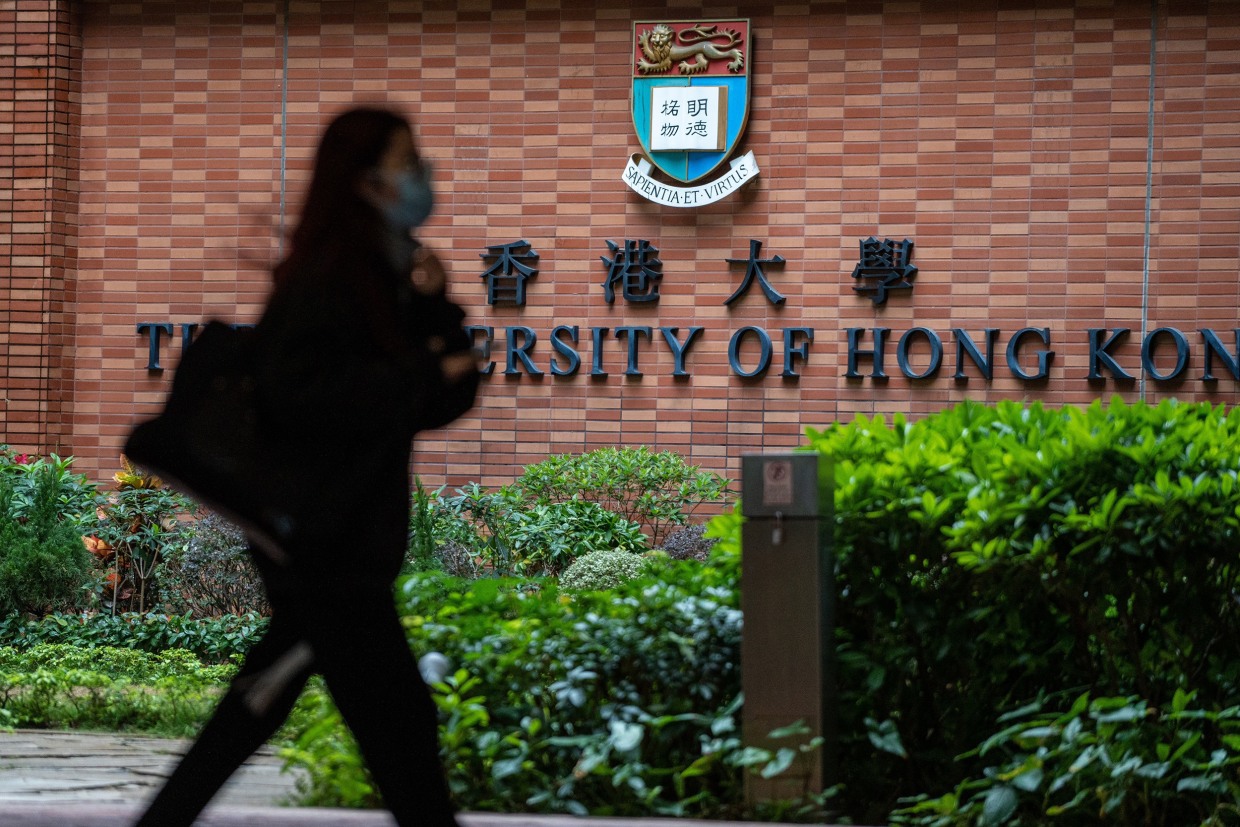

Hong Kong authorities have initiated a criminal investigation into a disturbing case at the University of Hong Kong, where a male law student is accused of using artificial intelligence to generate non-consensual deepfake pornographic images of over a dozen female students and teachers. This official probe, announced recently by the Office of the Privacy Commissioner for Personal Data, follows a significant outcry from students at the city’s oldest institution, who expressed strong dissatisfaction with what they perceived as an inadequate response from the university itself. The incident sheds light on the rapidly evolving challenges posed by AI misuse and the urgent need for robust regulatory frameworks.
The allegations against the student came to light through a widely shared letter on Instagram from an account handled by three unidentified victims. This letter unveiled a shocking discovery: folders on the accused’s computer allegedly containing over 700 deepfake photos, carefully categorized by the victims’ names, along with the original pictures from which they were created. The victims’ narrative claims that the male law student supposedly gathered photos of the individuals from their social media accounts, later using AI tools to transform these images into explicit, pornographic material showcasing their faces. Although it’s not confirmed that these fake images were widely spread, their existence and the purported intent behind them have sparked a major controversy.
The sequence of events presented by the victims suggests a worrisome delay in how the university addressed the issue. The images were supposedly found and reported to the university in February. Nonetheless, the university only reportedly began interviewing some of the affected parties in March. By April, one of the victims learned that the accused student had submitted a brief “apology letter” consisting of just 60 words. Although the validity of this letter and the Instagram account managed by the victims could not be independently corroborated, the University of Hong Kong acknowledged that it was aware of “social media posts regarding a student allegedly using AI tools to produce inappropriate images.” In its initial public statement issued on a Saturday, the university confirmed it had given a warning letter to the student and required him to issue a formal apology to those impacted.
This reaction, nonetheless, did not manage to soothe the increasing frustration among the students. In an open letter, the victims strongly condemned the university’s apparent lack of response, expressing their frustration over having to repeatedly share academic environments with the alleged offender on no fewer than four instances. They contended that this enforced closeness caused “avoidable psychological harm.” Following this, the student collective amplified its calls for the university administration to enforce more robust and severe actions.
The situation rapidly expanded outside the bounds of the university, drawing the focus of the top authority in Hong Kong. Chief Executive John Lee made a public statement about the controversy at a press conference, stressing the “duty of nurturing students’ ethical values” that educational establishments hold. He asserted without reservation that academic institutions ought to “handle student misbehavior firmly,” highlighting that “any actions harming others could potentially be a criminal offense and might also violate individual rights and privacy.” This involvement at a high level indicated the seriousness with which authorities were starting to regard the issue, surpassing what was initially just an internal disciplinary affair within the university.
The University of Hong Kong has subsequently expressed a reconsideration of its strategy. Initially, it did not address specific questions from media representatives directly, but later, it notified local news channels that it was carrying out an additional examination of the situation and promised to implement further steps if considered necessary or if victims requested stricter measures. Its declaration expressed a dedication to maintaining “a secure and respectful educational setting,” indicating an awareness of the necessity for a more effective reaction to the issues highlighted by both students and the general public.
The emergence of AI-generated deepfake pornography presents a complex legal and ethical quagmire globally. This form of non-consensual pornography involves the sophisticated alteration of existing images or the creation of entirely new ones using readily available artificial intelligence tools, designed to falsely depict individuals engaging in sexual acts. The legal landscape in Hong Kong, much like many other jurisdictions, is currently struggling to keep pace with the rapid advancements in this technology. While existing laws criminalize the “publication or threatened publication of intimate images without consent,” they do not explicitly outlaw the generation or personal possession of such fabricated content.
This legal lacuna creates significant challenges for prosecution and victim protection. In the United States, for instance, President Donald Trump signed legislation in May that specifically bans the non-consensual online publication of AI-generated porn. However, federal law does not explicitly prohibit personal possession of such images, and a district judge notably ruled in February that merely possessing such content was protected under the First Amendment. This contrasts sharply with approaches taken by some other nations. South Korea, for example, after experiencing several similar scandals, enacted legislation last year that goes further by criminalizing not only the possession but also the consumption of such deepfake content, reflecting a more stringent stance against this form of digital abuse.
The situation in Hong Kong exemplifies the pressing necessity for legal systems to advance in tandem with technological progress. As AI technologies grow increasingly available and advanced, their potential misuse—especially in generating convincing, yet completely fake, intimate images—presents a serious risk to personal privacy, reputation, and mental health. The absence of definitive legal restrictions on producing or privately holding such content can result in victims feeling vulnerable and law enforcement facing challenges in effectively bringing offenders to justice.
Beyond the legal considerations, the incident also emphasizes the duties of educational institutions in creating a secure and respectful atmosphere, both in the digital and physical realms. Universities are progressively facing challenges in handling digital misbehavior that may not align neatly with current disciplinary guidelines, especially when it involves cutting-edge technologies like AI. The initial actions taken by the University of Hong Kong, viewed as inadequate by its student body, highlight the necessity for well-defined procedures, prompt measures, and robust support mechanisms for those affected by tech-enabled abuse.
The criminal investigation by the Office of the Privacy Commissioner for Personal Data in Hong Kong marks a critical step towards addressing the issue more comprehensively. Its involvement signals that the authorities are now treating the matter with the seriousness it warrants, recognizing the potential criminal implications beyond mere academic misconduct. This investigation could set an important precedent for future cases involving AI-generated non-consensual content in Hong Kong, potentially influencing legislative reforms and strengthening victim protections.
The ongoing controversy at the University of Hong Kong serves as a global cautionary tale. It emphasizes that as artificial intelligence advances, societies must proactively develop robust legal, ethical, and institutional responses to mitigate its potential for harm. Protecting individuals from digital abuse, especially when sophisticated tools are used to violate privacy and create malicious content, is an increasingly urgent imperative in the digital age. The outcome of this investigation and the university’s subsequent actions will undoubtedly be closely watched as Hong Kong, and indeed the world, grapples with the dark side of technological innovation.