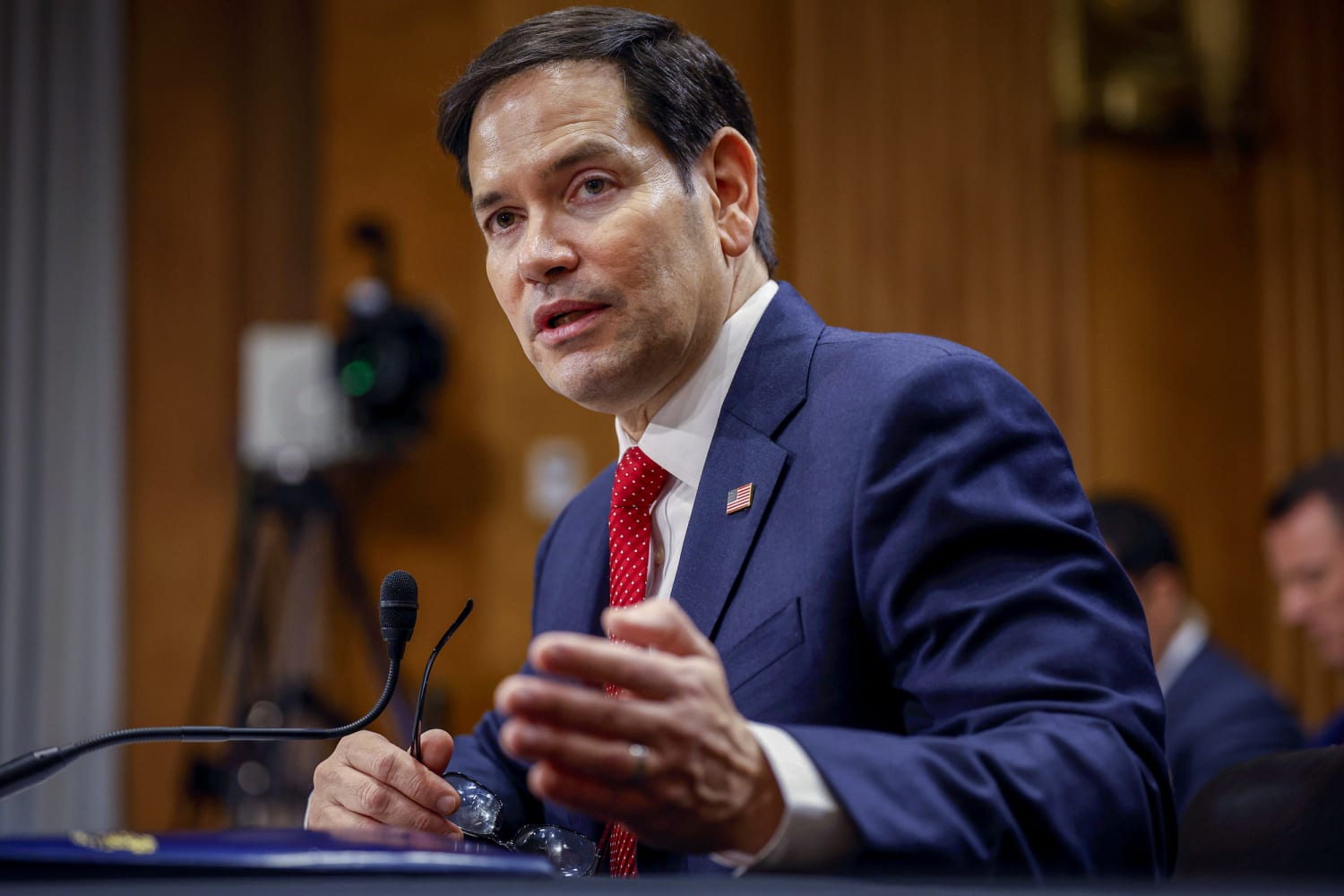

In a notable case highlighting the increasing dangers linked to artificial intelligence, an unidentified person allegedly utilized AI resources to imitate U.S. Senator Marco Rubio and contacted government officials from other countries. This occurrence, involving online trickery on a global scale, emphasizes the developing issues that arise from the swift progress of artificial intelligence and its abuse in political and diplomatic spheres.
The impersonation, which has caught the attention of security experts and political analysts alike, involved the use of AI-generated communications crafted to mimic Senator Rubio’s identity. The fraudulent messages, directed at foreign ministers and other high-ranking officials, aimed to create the illusion of legitimate correspondence from the Florida senator. While the precise content of these communications has not been disclosed publicly, reports suggest that the AI-driven deception was convincing enough to raise initial concerns among recipients before the hoax was discovered.
Instances of online identity theft aren’t a recent development, yet the inclusion of advanced artificial intelligence technologies has greatly expanded the reach, authenticity, and possible consequences of these threats. In this scenario, the AI platform seems to have been used not just to mimic the senator’s writing style but possibly other personal characteristics, like signature formats or even vocal nuances, although verification on the use of voice deepfakes hasn’t been confirmed.
The incident has sparked renewed debate over the implications of AI in cybersecurity and international relations. The capacity for AI systems to generate highly believable fake identities or communications poses a threat to the integrity of diplomatic channels, raising concerns over how governments and institutions can safeguard against such manipulations. Given the sensitive nature of communications between political figures and foreign governments, the possibility of AI-generated misinformation infiltrating these exchanges could carry significant diplomatic consequences.
As artificial intelligence continues to advance, the line between authentic and fabricated digital identities grows increasingly blurred. The use of AI for malicious impersonation purposes is a growing area of concern for cybersecurity experts. With AI models now capable of producing human-like text, synthetic voices, and even realistic video deepfakes, the potential for misuse spans from small-scale scams to large-scale political interference.
This particular case involving the impersonation of Senator Rubio serves as a high-profile reminder that even prominent public figures are not immune to such threats. The incident also highlights the importance of digital verification protocols in political communications. As traditional forms of authentication, such as email signatures or recognizable writing styles, become vulnerable to AI replication, there is an urgent need for more robust security measures, including biometric verification, blockchain-based identity tracking, or advanced encryption systems.
The precise intentions of the impersonator have yet to be determined. It is still uncertain if the aim was to gather confidential data, disseminate false information, or disturb diplomatic ties. Nevertheless, the incident highlights how AI-enabled impersonation may be used as a tool to erode trust among nations, create chaos, or promote political objectives.
Las autoridades de Estados Unidos y sus aliados ya han identificado el naciente peligro de la manipulación con inteligencia artificial en contextos tanto nacionales como internacionales. Las agencias de inteligencia han alertado que la inteligencia artificial podría utilizarse para influir en elecciones, crear noticias falsas, o llevar a cabo ciberespionaje. La incorporación de suplantación política a este creciente catálogo de amenazas impulsadas por inteligencia artificial requiere de respuestas políticas urgentes y el diseño de nuevas estrategias defensivas.
Senator Rubio, known for his active role in foreign affairs and national security discussions, has not made a detailed public statement on this specific incident. However, he has previously expressed concerns over the geopolitical risks associated with emerging technologies, including artificial intelligence. This event only adds to the broader discourse on how democratic institutions must adapt to the challenges posed by digital disinformation and synthetic media.
Internationally, the use of AI for political impersonation presents not only security challenges but also legal and ethical dilemmas. Many nations are still in the early stages of drafting regulations around the responsible use of artificial intelligence. Current legal frameworks are often insufficient to address the complexities of AI-generated content, especially when it is used in cross-border contexts where jurisdictional boundaries complicate enforcement.
Falsifying the identities of political leaders is particularly worrisome due to the possibility that such scenarios could lead to international conflicts. A fake message that appears to come from a legitimate governmental figure, if distributed at a strategic moment, might result in tangible outcomes such as diplomatic tensions, trade sanctions, or even more severe repercussions. This threat highlights the importance of global collaboration in implementing guidelines for AI technology use and creating mechanisms for the quick authentication of crucial communications.
Cybersecurity professionals emphasize that while technical solutions are essential, human awareness remains a critical line of defense. Training officials, diplomats, and other stakeholders to recognize signs of digital manipulation can help mitigate the risk of falling victim to such schemes. Additionally, organizations are being encouraged to adopt multi-layered authentication systems that go beyond easily replicated identifiers.
This event involving Senator Rubio’s impersonation is not the first time that AI-driven deception has been used to target political or high-profile individuals. In recent years, there have been multiple incidents involving deepfake videos, voice cloning, and text generation aimed at misleading the public or manipulating decision-makers. Each case serves as a warning that the digital landscape is changing, and with it, the strategies required to defend against deception must evolve.
Specialists foresee that with the growing accessibility and user-friendliness of AI, both the occurrence and complexity of these types of attacks will continue to rise. Open-source AI frameworks and readily accessible tools reduce the entry threshold for harmful individuals, allowing even those with minimal technical skills to carry out campaigns of impersonation or misinformation.
In response to these dangers, various tech firms are developing AI detection technologies that can recognize artificially generated content. Meanwhile, governments are considering legislation to penalize the harmful use of AI for impersonation or spreading false information. The difficulty is in finding a balance between progress and safety, making sure that positive AI uses can continue to grow without becoming vulnerable to misuse.
This latest incident underscores the importance of public awareness around digital authenticity. In an environment where any message, video, or voice recording could potentially be fabricated, critical thinking and cautious evaluation of information are more important than ever. Users, whether individuals or institutions, must adapt to this new reality by verifying sources, questioning unusual communications, and implementing preventive measures.
For political institutions, the stakes are particularly high. Trust in communications, both internally and externally, is foundational to effective governance and diplomacy. The erosion of that trust through AI manipulation could have far-reaching effects on national security, international cooperation, and the stability of democratic systems.
As governments, corporations, and individuals grapple with the consequences of artificial intelligence misuse, the need for comprehensive solutions becomes increasingly urgent. From the development of AI detection tools to the establishment of global norms and policies, addressing the challenges of AI-driven impersonation requires a coordinated, multi-faceted approach.
The simulation of Senator Marco Rubio with the use of artificial intelligence serves not only as a warning story—it offers a peek into a future where reality can be effortlessly fabricated, and where the genuineness of all forms of communication could be doubted. How communities deal with this issue will determine the nature of the digital environment for many years ahead.