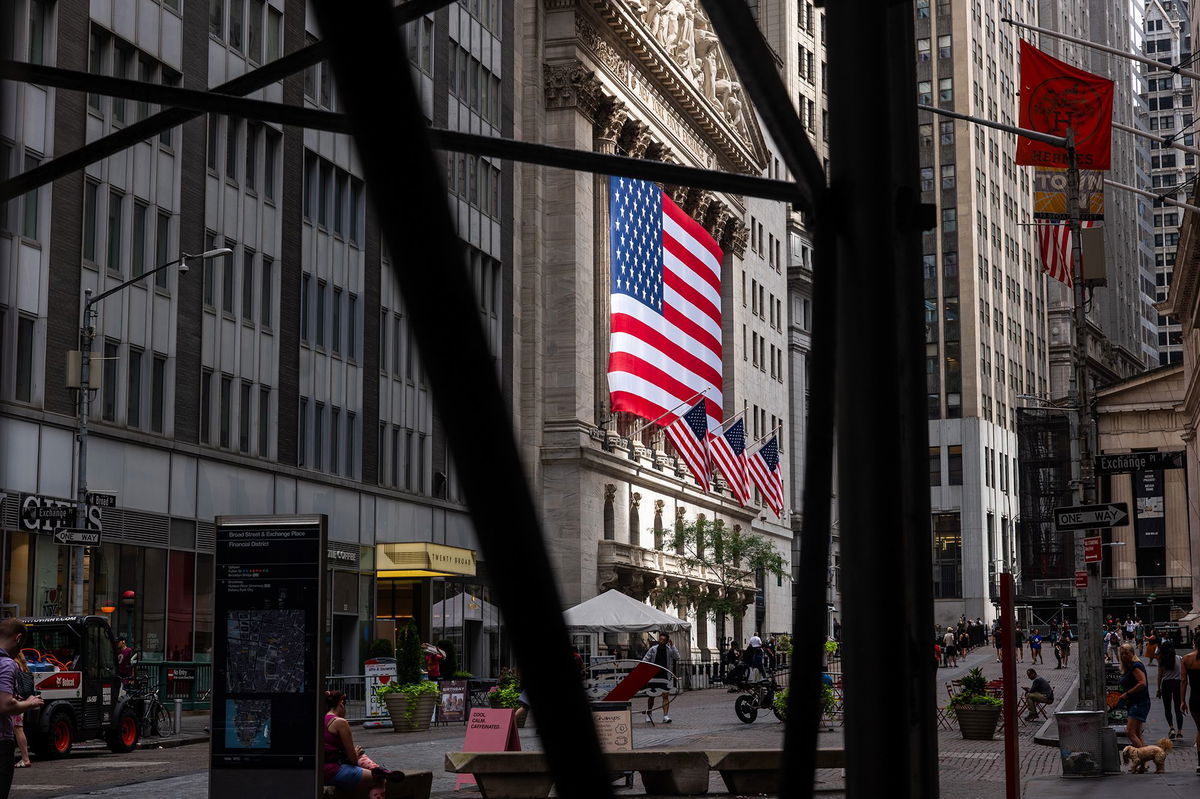

In the complex and ever-shifting world of global finance, confidence is often as valuable as tangible assets. In recent months, financial markets, particularly in the United States, have shown signs of skepticism toward former President Donald Trump’s latest economic threats and policy pronouncements. Investors, analysts, and institutions appear less reactive than in previous years, suggesting that Wall Street may no longer take Trump’s economic rhetoric at face value.
El vínculo cambiante entre el liderazgo político y los mercados financieros destaca cómo la percepción, experiencia y las condiciones económicas globales pueden influir en el comportamiento de los inversores. A medida que Trump sigue influyendo en el discurso público con observaciones sobre aranceles, relaciones comerciales y crecimiento económico, los mercados financieros parecen estar adoptando una reacción más prudente y calculada; esta respuesta refleja una comprensión más profunda tanto del panorama político como de los fundamentos económicos subyacentes.
Historically, remarks made by Trump concerning economic issues—such as potential tariff hikes, trade tensions, or business levies—have frequently triggered rapid responses in financial sectors. Throughout his time in office, declarations about tariffs targeting China, for instance, caused prompt instability in markets, as financiers adjusted their forecasts in response to perceived threats to supply chains and international commerce.
However, as the political climate evolves and markets gain experience with Trump’s negotiation style, there is growing evidence that Wall Street is becoming more discerning. Rather than reacting to every headline or soundbite, financial institutions are increasingly focused on concrete policy actions, legislative realities, and macroeconomic indicators.
Several factors contribute to this shift. First, investors have witnessed a pattern in Trump’s economic approach: bold initial threats are often followed by either backtracking, compromise, or lengthy negotiation processes that water down the original proposals. This recognition has tempered market responses, reducing the likelihood of sharp, knee-jerk reactions to unconfirmed policy ideas.
Second, the global economy itself has undergone significant changes since Trump’s first term. The COVID-19 pandemic, geopolitical tensions, rising inflation, and supply chain challenges have introduced new layers of complexity. These factors have encouraged investors to look beyond political rhetoric and focus instead on broader economic trends, such as central bank policies, labor markets, and international cooperation.
Furthermore, financial markets are increasingly aware of the political motivations behind Trump’s economic pronouncements. Statements about tariffs, taxation, or trade relations are often closely tied to electoral strategies, designed to appeal to specific voter bases or to shift public debate. Market participants, seasoned by previous experiences, recognize the difference between political positioning and actionable policy, leading to more restrained reactions.
One notable example is Trump’s repeated calls for aggressive tariffs on foreign imports, particularly targeting China and other major trading partners. While such declarations once sent stock prices tumbling and triggered global market anxiety, recent iterations have failed to generate the same level of disruption. Investors appear to be assessing the feasibility and actual likelihood of implementation rather than reacting solely to rhetoric.
Los mercados financieros han demostrado una notable capacidad para enfrentar amenazas gracias a la solidez de los fundamentos económicos básicos. A pesar de los desafíos mundiales, la economía de EE.UU. ha mostrado una capacidad significativa de resistir, con una generación constante de empleos, sólidas ganancias corporativas y un gasto fuerte por parte de los consumidores. Esta estabilidad ha servido de amortiguador frente a la incertidumbre política, brindando a los mercados una mayor confianza para resistir fluctuaciones a corto plazo sin ventas masivas drásticas.
Additionally, central banks, especially the Federal Reserve, have become more influential in determining market sentiment. Decisions regarding interest rates, controlling inflation, and providing guidance on monetary policy have become key influences on market behavior, frequently taking precedence over political events. Consequently, even significant political announcements now have less influence on daily trading than they used to.
It is important to note, however, that while financial markets may be less reactive to Trump’s economic threats, this does not imply indifference. Investors remain highly attuned to the potential for policy changes that could affect trade relations, corporate profitability, or regulatory environments. The difference lies in the depth of analysis: markets are now more likely to demand concrete details before adjusting positions.
Este escepticismo en aumento refleja igualmente una tendencia más amplia dentro de la evaluación de riesgos políticos. Los inversores a nivel mundial han mejorado su capacidad para manejar entornos políticos inciertos, desde las negociaciones del Brexit hasta los ciclos electorales en EE.UU. El uso de modelos sofisticados, análisis de riesgos geopolíticos y planificación de escenarios se ha convertido en herramientas estándar en el proceso de toma de decisiones de inversión, disminuyendo el impacto de las declaraciones de cualquier figura política individual.
Moreover, the rise of algorithmic trading and data-driven strategies has contributed to this change. Automated systems often rely on longer-term trends and macroeconomic data rather than reacting to individual news events. This shift in trading behavior dampens the market impact of short-term political developments, further insulating markets from volatility caused by headline-grabbing announcements.
At the same time, some sectors of the market remain more sensitive to political developments than others. Industries heavily dependent on international trade—such as manufacturing, agriculture, and technology—still face potential risks from shifts in trade policy or new tariffs. As such, while the overall market may display resilience, individual stocks or sectors may continue to experience localized volatility based on political developments.
Looking ahead, the interaction between Trump’s political influence and financial markets is likely to remain a dynamic and closely watched relationship. With the possibility of Trump playing a significant role in future elections or policy debates, investors will continue to monitor his statements and proposals carefully. However, the evidence suggests that markets have matured in their response, moving beyond reactive behavior toward more analytical and evidence-based assessments.
For those investing, this pattern underscores the necessity of keeping a long-term view, concentrating on economic basics and diversification instead of being influenced by temporary political commotion. For those crafting policies, it acts as a reminder that although political proclamations can capture attention, their actual effects are ultimately assessed by their practicality, implementation, and economic environment.
In summary, although past President Donald Trump previously influenced markets greatly with just one tweet regarding the economy, the situation has changed. Wall Street, backed by experience and solid economic fundamentals, is more often dismissing his bold statements—opting for caution instead of fear, and evaluation rather than concern. This change not only represents a shift in market conduct but also highlights a more advanced method in handling the crossing of politics and economics.