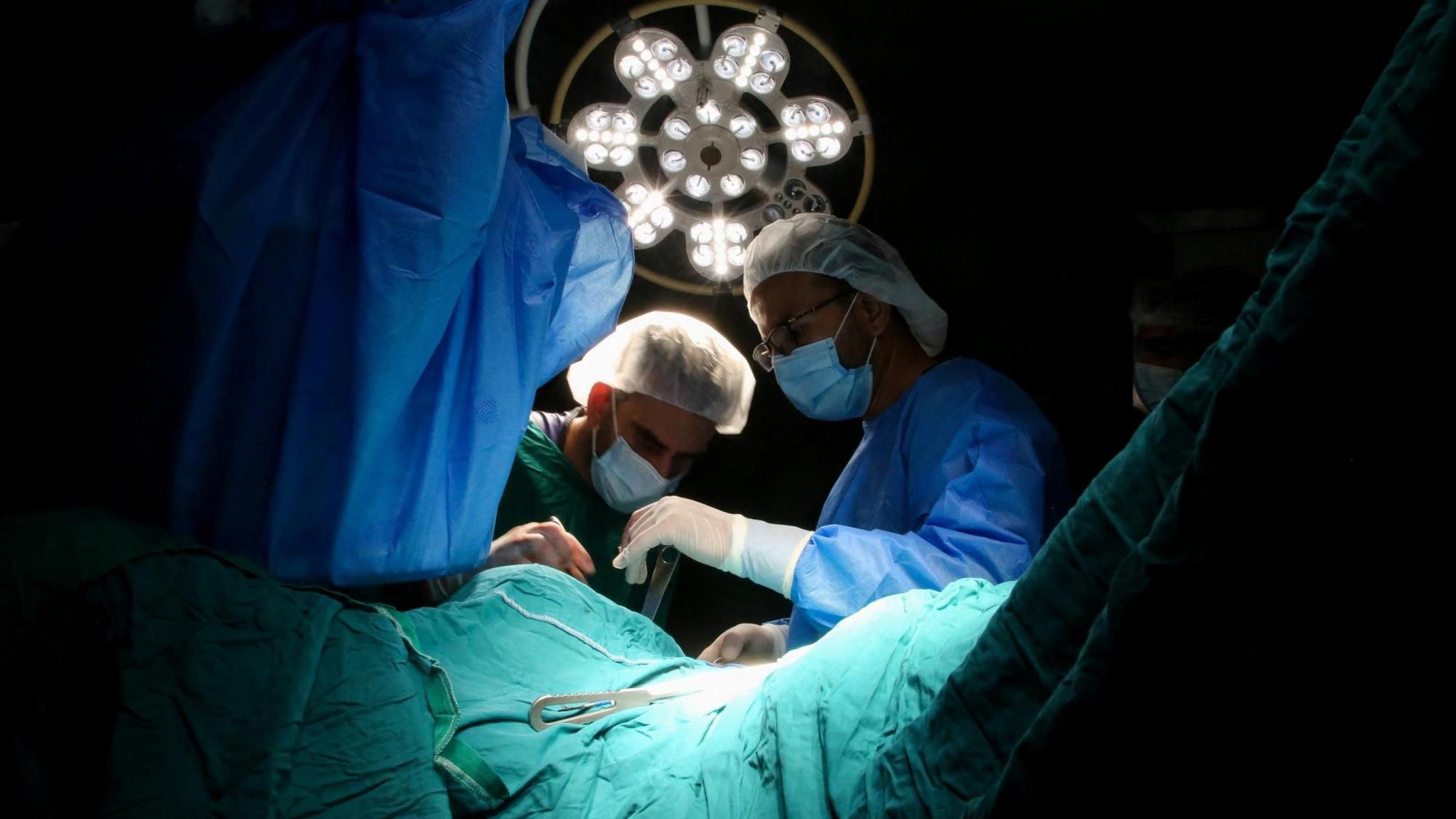

The intensifying hostilities in Gaza have put immense stress on the territory’s largest functioning hospital, with medical experts cautioning about a looming humanitarian crisis if the situation worsens. As military activities widen, medical facilities, already coping with scarce resources, are encountering extraordinary difficulties in delivering emergency medical assistance to the rising number of wounded individuals.
Medical staff on the ground have described increasingly dire circumstances as supplies run dangerously low and the flow of injured people shows no sign of slowing. The hospital, which has become the primary center for treating those wounded in ongoing airstrikes and ground offensives, is now at risk of being overwhelmed completely. Doctors, nurses, and volunteers are working around the clock, often without adequate equipment, medication, or power, to save as many lives as possible in an environment of escalating chaos.
The situation has escalated as Israel expands its military activities, with conflicts reaching additional regions and the impact on civilians increasing. Residential areas, educational institutions, and public services have been impacted by the conflict, driving more individuals to already overwhelmed hospitals in urgent need of medical aid. Ambulances continuously arrive, transporting the wounded—many of whom include women, children, and the elderly—while hospital corridors and temporary triage zones are filled with patients waiting for medical care.
Medical experts have made urgent calls to global organizations, alerting them that without swift aid and assistance, Gaza’s healthcare infrastructure might completely fail. The scarcity of crucial materials, like surgical instruments, antibiotics, and anesthesia, has rendered it impossible to carry out even the simplest life-saving operations safely. In certain instances, physicians have been compelled to perform surgeries without adequate sterilization, increasing concerns about infections and potential long-term issues for patients.
The destruction of infrastructure has compounded the crisis. Repeated attacks on roads, power stations, and water systems have left many hospitals without reliable electricity or clean water—both vital for running intensive care units, operating theaters, and dialysis centers. Makeshift generators supply intermittent power, but the fuel required to keep them running is scarce. This disruption not only hampers the delivery of immediate care but also threatens patients dependent on continuous treatment, such as those requiring ventilators or dialysis.
Complicating matters further, the sheer volume of injured individuals means that many must wait hours or even days for treatment. The triage system in place is under immense strain, forcing medical teams to make harrowing choices about who receives care first. As more victims arrive with severe injuries, including shrapnel wounds, burns, and crush injuries, the capacity to deliver timely interventions diminishes.
Beyond the physical devastation, the psychological toll on both patients and medical workers is profound. Healthcare professionals, many of whom have not left their posts for days, describe an atmosphere of exhaustion, despair, and heartbreak. Treating severely injured children, witnessing the grief of families torn apart by violence, and working under constant threat of bombardment have left many grappling with trauma themselves.
International organizations dedicated to humanitarian work have reiterated the alerts given by medical professionals in Gaza, urging for urgent and unhindered permisison for aid convoys. Nevertheless, the continuous military actions and limitations at the borders have significantly complicated the delivery of essential supplies and healthcare workers. Attempts to create pathways for aid have not met expectations, with temporary ceasefires being either too short or unstable to enable substantial relief activities.
The worsening crisis has also reignited broader discussions about the impact of prolonged conflict on civilian populations. In densely populated areas like Gaza, where civilian infrastructure is tightly interwoven with daily life, the line between military targets and civilian casualties often blurs. Hospitals, schools, and refugee camps have all been affected, raising concerns over compliance with international humanitarian law, which mandates the protection of non-combatants and medical facilities during armed conflict.
The threat of outbreaks of infectious diseases introduces an additional level of urgency to the scenario. With compromised sanitation systems and overcrowding in temporary shelters and medical facilities, the likelihood of spreading illnesses like cholera, hepatitis, or respiratory infections is elevated. Health authorities caution that the failure of the healthcare infrastructure might lead to secondary crises, surpassing the direct injuries inflicted by conflict.
In the face of these overwhelming challenges, local healthcare workers have demonstrated extraordinary resilience and dedication. Despite limited resources and constant danger, they continue to serve on the frontlines of the humanitarian crisis, offering care, comfort, and hope where possible. Many of these professionals have themselves been displaced, have lost family members, or live under the same threats as their patients, yet remain committed to their mission.
The current developments have led the international community to urge for renewed diplomatic initiatives to achieve a ceasefire and enable humanitarian aid to be delivered to those in distress. Various governments, NGOs, and international bodies have highlighted the critical need to reduce hostility and emphasize the safety of civilians, with a focus on vulnerable groups such as children, the elderly, and individuals with medical conditions.
As the humanitarian situation continues to deteriorate, the focus has also shifted toward the long-term consequences of the conflict on public health in Gaza. The destruction of healthcare infrastructure, the psychological trauma of war, and the interruption of routine medical services, including vaccinations and chronic disease management, are expected to have lasting impacts on the population’s well-being for years to come.
The international medical community has stressed the importance of not only immediate emergency response but also sustained efforts to rebuild Gaza’s health system once the conflict subsides. Investments in hospital reconstruction, mental health services, and training for healthcare professionals will be essential for the long-term recovery and stability of the region.
In the meantime, the message from Gaza’s healthcare workers is clear: immediate action is needed to prevent further loss of life. With every passing hour, the pressure on the healthcare system intensifies, and the human cost continues to rise. Without swift international intervention—both in terms of aid delivery and diplomatic efforts to halt the violence—the largest functioning hospital in Gaza, and the countless lives depending on it, remain on the brink of disaster.
The unfolding tragedy in Gaza serves as a stark reminder of the human consequences of armed conflict and the critical role of medical neutrality and humanitarian access. As the world watches, the urgency of the situation demands not only empathy but decisive action to safeguard the lives of civilians caught in the crossfire.