International

Why regulating social media is so hard globally

The Hurdles of International Social Media Control

Social media platforms mediate information, politics, commerce, and private lives across borders. Regulating them is not simply a matter of drafting rules; it involves reconciling competing legal systems, technical limits, economic incentives, political power, cultural differences, and operational realities at an unprecedented global scale. Below I map the core challenges, illustrate them with cases and data points, and sketch pragmatic directions for progress.1. Scale and Technical ConstraintsSheer volume: Platforms accommodate billions of users and handle an immense stream of posts, messages, photos, and videos each day. While automated tools assist, human judgment is still required for subtle or context-heavy decisions,…
Read More
Iranians confront a post-Khamenei reality with relief, disbelief and anxiety

Navigating a Post-Khamenei Iran: Challenges and Hopes

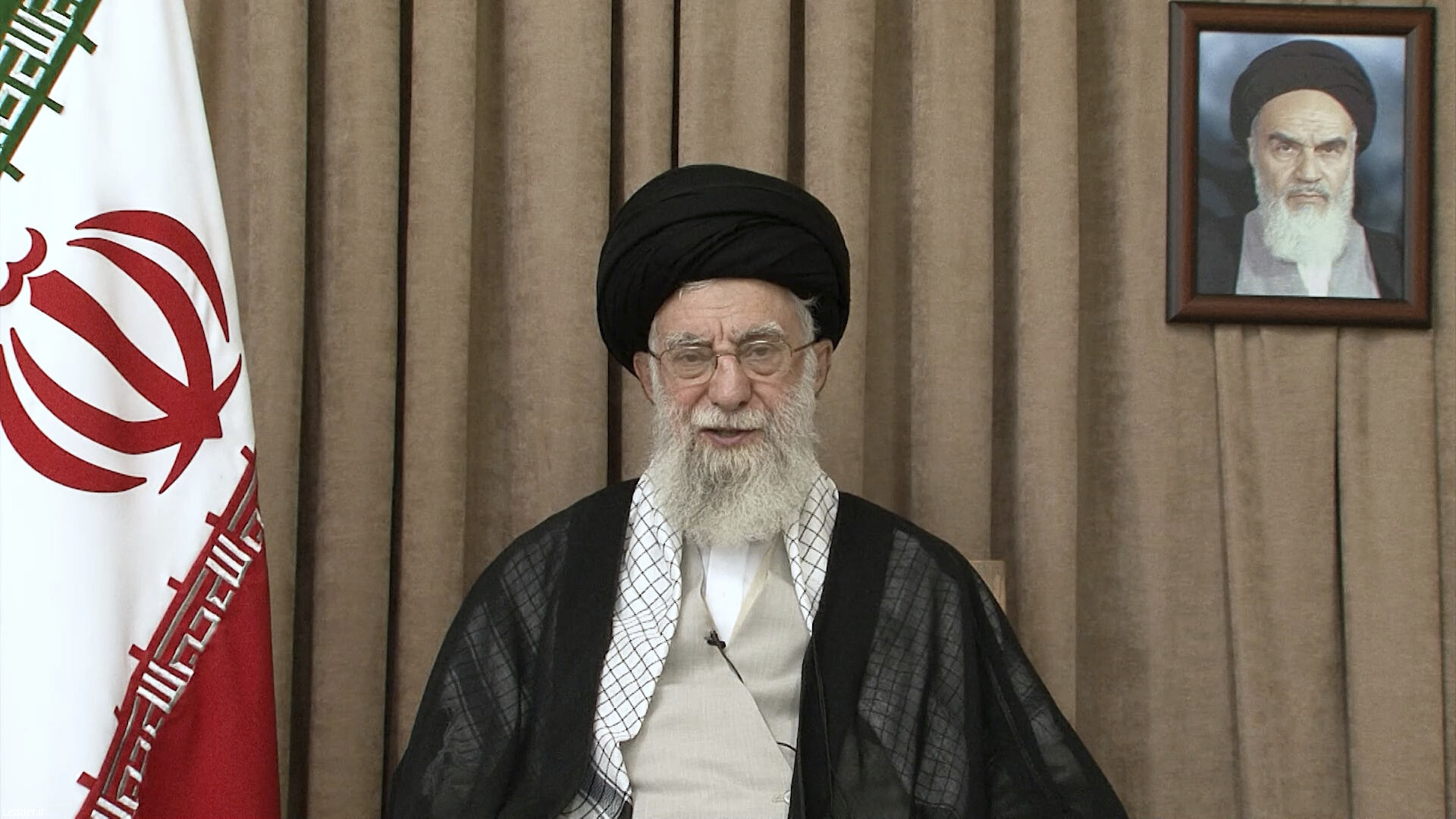
For the first time in decades, Iranians awoke to a nation no longer led by Ayatollah Ali Khamenei, after coordinated US-Israeli strikes claimed his life, leaving the country facing a profoundly uncertain chapter.Mixed reactions across the countryThe news of Khamenei’s death has triggered a broad array of reactions throughout Iran, where residents in the capital and other major cities voiced restrained optimism, seeing the conclusion of his decades-long leadership as a moment that might reshape the country’s future. In several districts, impromptu celebrations broke out as crowds honked car horns, waved garments, and even pulled down monuments linked to the…
Read More
What influence operations are and how to spot them

Recognizing Influence Operations: Safeguarding Your Information

Influence operations are coordinated efforts to shape opinions, emotions, decisions, or behaviors of a target audience. They combine messaging, social engineering, and often technical means to change how people think, talk, vote, buy, or act. Influence operations can be conducted by states, political organizations, corporations, ideological groups, or criminal networks. The intent ranges from persuasion and distraction to deception, disruption, or erosion of trust in institutions.Key stakeholders and their driving forcesThe operators that wield influence include:State actors: intelligence agencies or political entities operating to secure strategic leverage, meet foreign policy objectives, or maintain internal control.Political campaigns and consultants: organizations working…
Read More
Trump the ‘demolition’ man of world order, European security experts warn

Trump the ‘demolition’ man of world order, European security experts warn

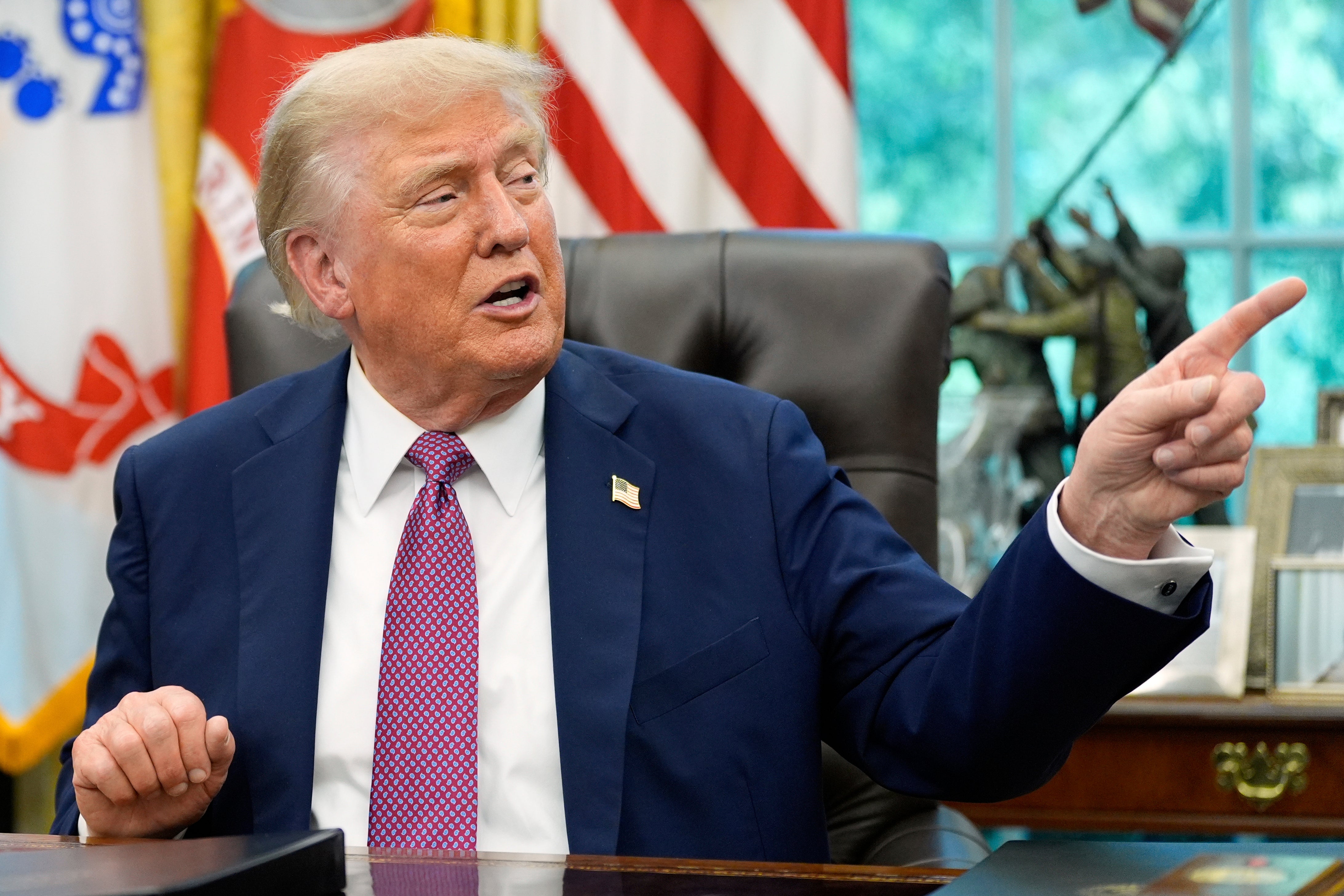
The international framework that has supported decades of relative stability is under growing strain, with a new global security assessment cautioning that forceful political upheaval, largely propelled by US leadership, is hastening the decline of established rules, alliances, and collective norms.According to the Munich Security Report 2026, the world is now experiencing what it labels “wrecking-ball politics,” a governing style in which forceful disruption takes precedence over stability and collective agreement, and the report contends that this shift is putting unprecedented pressure on the postwar international order, exposing it to its most significant challenges since its inception and generating repercussions…
Read More
Why information manipulation threatens democratic stability

Information Manipulation: A Threat to Democratic Stability

Democratic stability depends on citizens who remain well-informed, institutions capable of earning public trust, a shared foundation of widely acknowledged yet continuously debated facts, and transitions of power conducted with order. Information manipulation — the deliberate shaping, distorting, amplifying, or suppressing of material to influence public attitudes or behavior — gradually erodes these foundations. It weakens them not only by spreading falsehoods, but also by reshaping incentives, corroding trust, and transforming public attention into a lever for strategic gain. This threat functions at a systemic level, producing compromised elections, polarized societies, reduced accountability, and environments in which violence and authoritarian…
Read More
Venezuela has a ton of oil. It also has something else America needs

From Oil to Opportunity: What Else Venezuela Offers America

Venezuela’s extensive natural resources have reemerged within Washington’s strategic agenda, with its potential mineral reserves now portrayed as matters of national significance, although specialists caution that transforming these aspirations into tangible results is considerably more intricate than political discourse implies.When Donald Trump announced that U.S. companies would be allowed to tap into Venezuela’s vast oil reserves, the spotlight swiftly broadened far beyond petroleum, and policy discussions increasingly began to encompass minerals, metals, and even rare earth elements thought to lie beneath Venezuelan territory, resources considered vital across sectors such as defense, aerospace, clean energy, and consumer technology, and now central…
Read More
What’s being debated in international AI governance

AI Governance: Exploring International Debates

Artificial intelligence has shifted from research environments into virtually every industry worldwide, reshaping policy discussions at high speed. Global debates on AI governance revolve around how to encourage progress while safeguarding society, uphold rights as economic growth unfolds, and stop risks that span nations. These conversations concentrate on questions of scope and definition, safety and alignment, trade restrictions, civil liberties and rights, legal responsibility, standards and certification, and the geopolitical and developmental aspects of regulation.Definitions, scope, and jurisdictionWhat counts as “AI”? Policymakers wrestle with whether to regulate systems by capability, application, or technique. A narrow, technical definition risks loopholes; a…
Read More
How to protect essential infrastructure from digital attacks

Fortifying Critical Infrastructure Against Cyber Adversaries

Essential infrastructure—power grids, water treatment, transportation systems, healthcare networks, and telecommunications—underpins modern life. Digital attacks on these systems can disrupt services, endanger lives, and cause massive economic damage. Effective protection requires a mix of technical controls, governance, people, and public-private collaboration tailored to both IT and operational technology (OT) environments.Risk Environment and ConsequencesDigital threats to infrastructure include ransomware, destructive malware, supply chain compromise, insider misuse, and targeted intrusions against control systems. High-profile incidents illustrate the stakes:Colonial Pipeline (May 2021): A ransomware incident severely disrupted fuel distribution along the U.S. East Coast; reports indicate the company paid a $4.4 million ransom…
Read More
The US is taking control of Venezuela and targeting Greenland. The Dow could still hit 50,000

America’s Reach: Venezuela, Greenland, and the Dow’s Ascent to 50k

Despite political tensions and economic uncertainty, the US stock market continues to defy expectations, with the Dow Jones Industrial Average approaching record highs.Investors are navigating a complex landscape: international crises, domestic unrest, and mixed economic signals have created a climate where traditional market reactions seem upended. Yet, the Dow, which tracks 30 of America’s largest publicly traded companies, remains on a trajectory toward historic levels, leaving analysts and observers asking why the market appears resilient in the face of apparent instability.Political news narratives contrasted with real economic conditionsRecent developments have sketched a volatile scene. On the international front, Venezuela is…
Read More
https://www.unav.edu/documents/16800098/0/Navy+1200.jpg/77223159-9036-309e-94ad-5d8359c6707b?t=1756660414902

Maduro Arrested in Secret Caracas Operation

Venezuela woke on Saturday to a tense mix of relief, celebration, and fear after U.S. forces captured President Nicolás Maduro following a night of explosions and targeted strikes across the Caracas Valley.As residents slowly made their way back outside, reactions diverged dramatically, with some Venezuelans voicing cautious optimism that Maduro’s ouster might create a chance for long‑awaited change after years of turmoil and repression, while others denounced the operation, gathered to demand his freedom, branded the detention as a kidnapping, and accused the authorities of violating national sovereignty.Despite the pockets of celebration, uncertainty dominated many conversations. Several people said they…
Read More