Roger W. Watson

1384 Posts
Guide to investing in real estate in Panama

Your Guide to Investing in Panama Real Estate

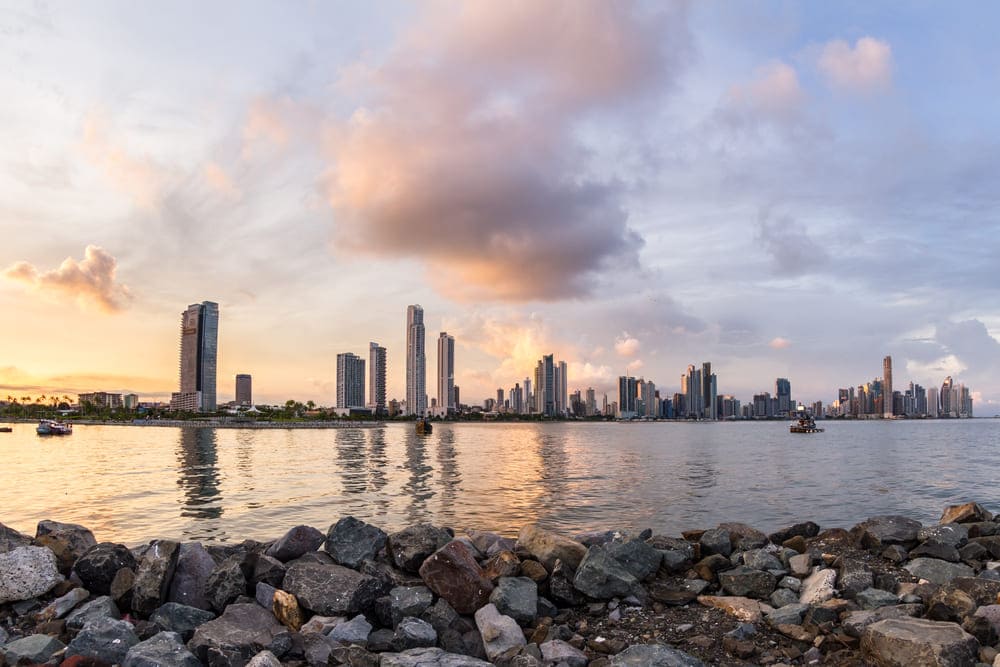
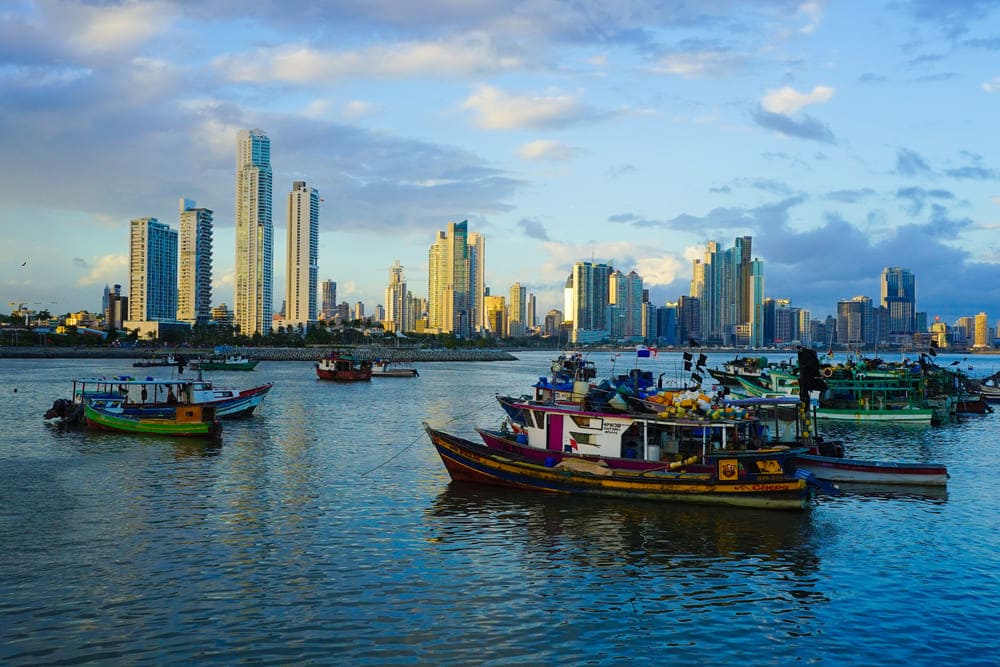
Investing in real estate in Panama requires examining the property market, identifying districts with consistent expansion, and selecting developments that provide long-term stability and solid appreciation prospects. The nation’s dollarized economy, its investor-friendly climate, and the continuous emergence of new residential zones have turned Panama into a compelling option for both domestic and international investors.Today, across the country, real estate developments that merge prime locations with thoughtfully designed communities are gaining prominence. Bayside, situated in Panama Oeste and close to the shoreline, exemplifies this type of project by blending natural surroundings, well-curated amenities, and convenient access to the city—elements increasingly…

Read More
Panamá Viejo Residences: urban calm in Panama City

Panamá Viejo Residences: Relaxed Urban Homes in Panama City

Panamá Viejo Residences has emerged as a compelling choice for people seeking tranquility while remaining close to downtown Panama City, offering a historic residential atmosphere with ample greenery and less congestion that provides a calmer way of living within one of the capital’s most accessible districts.In addition to offering modern apartments within a planned community, the project is located near natural spaces such as Omar Recreational Park and offers quick access to major thoroughfares like the Corredor Sur and Vía Cincuentenario. If you’re still wondering why Panama Viejo Residences is ideal for living in peace without leaving the city center,…
Read More
Is residency required to buy property in Panama?

Do You Need Residency to Buy Property in Panama?

It is not required to hold residency to purchase property in Panama. Panamanian legislation permits any individual to buy real estate in the country without obtaining permanent residency or citizenship, a factor that has helped position the Panamanian property market among the region’s most accessible options for investors or those aiming to build long-term wealth.The opening of Panama’s real estate market to international buyers, along with the rise of well-connected residential communities, has broadened the possibilities for anyone seeking more flexibility when investing in the country, especially in contemporary and comfortable developments such as Panamá Viejo Residences. Still asking whether…
Read More
Philippines: CSR strengthening disaster preparedness and neighborhood resilience

Philippines: How CSR Strengthens Disaster Readiness & Local Resilience

The Philippines contends with a rising array of natural threats, including tropical cyclones, storm surges, flooding, landslides, earthquakes, volcanic activity, and sea level increases. Each year, an average of 20 tropical cyclones enter the Philippine Area of Responsibility, with about five typically reaching land. Repeated large‑scale disasters—most notably Typhoon Haiyan (2013), which impacted millions and caused economic damage amounting to billions of dollars—have highlighted the urgent need for stronger disaster risk reduction (DRR) measures and more resilient communities. Companies operating in the Philippines are steadily weaving corporate social responsibility (CSR) into disaster preparedness and local resilience initiatives, shifting from occasional…
Read More
Cyprus: tourism CSR promoting water efficiency and living cultural heritage

Water Conservation & Cultural Preservation in Cyprus Tourism

Cyprus is a Mediterranean island with a tourism-dependent economy and a rich reservoir of living cultural heritage. Coastal resorts, mountain villages, archaeological parks, seasonal festivals, traditional crafts, and culinary customs form the tourism offer. At the same time, Cyprus faces chronic water stress driven by low and variable rainfall, population peaks during the tourist season, and climate warming. For tourism businesses and destinations, corporate social responsibility (CSR) that simultaneously promotes water efficiency and safeguards living cultural heritage is not only ethically sound but also economically strategic.Water context and tourism impactsWater scarcity profile: Cyprus has a semi-arid Mediterranean climate with large…
Read More
What trends are shaping blockchain scalability without sacrificing security?

Blockchain Security: Scalability Trends

Blockchain scalability has long been constrained by the so-called trilemma: achieving decentralization, security, and scalability at the same time. Early blockchains prioritized security and decentralization, which limited transaction throughput and increased costs during periods of high demand. Recent innovation, however, shows that scalability does not need to come at the expense of security. A set of architectural, cryptographic, and economic trends is reshaping how blockchains grow while preserving trust guarantees.Layer 2 Technologies Evolving into Essential InfrastructureOne of the most impactful developments involves the continued evolution of Layer 2 scaling solutions. Rather than adding extra pressure to the primary blockchain, these…
Read More
Body recomposition: how to track progress without obsession

Progress Tracking for Body Recomposition: Stay Sane

Body recomposition refers to altering the balance between fat and lean tissue by shedding fat while building or maintaining muscle. Rather than focusing on simple weight reduction, this process demands coordinated nutrition and training, and its results can appear subtle. Monitoring progress is crucial because isolated measurements can mislead, while consistent trends expose genuine improvements. When applied effectively, tracking informs adjustments and strengthens motivation; when mishandled, it can devolve into an obsessive habit that undermines results.Core principles for non-obsessive trackingTrack patterns rather than day-to-day readings. Weight, measurements, and emotional state naturally vary, so rely on weekly or biweekly averages to…
Read More
Why are antitrust trends influencing big-tech strategy and valuations?

How Antitrust Influences Big Tech’s Strategy & Valuations

Antitrust policy has shifted from a background regulatory risk to a front-line strategic force shaping how large technology companies operate, invest, and are valued by markets. Governments now view digital platforms as critical infrastructure with outsized economic and social power. This shift is changing business models, deal-making, and investor expectations across the sector.The Policy Shift: From Case-by-Case to Systemic RegulationFor decades, antitrust enforcement focused on discrete conduct, such as price fixing or merger control. Today, regulators increasingly apply a systemic lens to digital platforms, targeting market structure, data advantages, and network effects.Leading factors motivating this change include:Market concentration across search…
Read More
Why is biodegradable materials research gaining commercial interest?

Exploring the Commercial Momentum of Biodegradable Materials

Biodegradable materials research has evolved from a niche academic pursuit into a strategically important commercial discipline, as firms in packaging, consumer goods, agriculture, construction, and healthcare increasingly fund materials designed to break down safely at the end of their lifespan, propelled by intersecting forces such as regulatory requirements, shifting consumer expectations, technological advances, and growing economic feasibility.Rising Challenges in Environmental Stewardship and Waste HandlingGlobal waste production keeps climbing as conventional plastics linger for decades across landfills and natural habitats, and municipalities increasingly struggle with rising disposal expenses while soil and water pollution creates mounting legal and reputational exposure for brands;…
Read More
Montevideo, in Uruguay: How fintechs win trust while scaling compliant operations

Montevideo Fintech Trust: Scaling Compliant Operations in Uruguay

Montevideo, Uruguay’s capital, blends a compact metropolitan landscape with extensive regional links, a reliable legal framework, and a highly trained software engineering talent pool. For fintech founders, the city provides an efficient setting for product development, access to bilingual professionals, and close reach to major Latin American markets. Startups based in Montevideo can expand across the region while taking advantage of favorable time zones that support nearshore collaboration with teams in North America and Europe.Key contextual points:Size and density: Montevideo represents roughly one-third to one-half of Uruguay’s total population, concentrating users, tech talent, and financial services demand in a single…
Read More