
Throughout the landscape of contemporary design, few figures have reshaped the very meaning of creativity and conceptual expression as profoundly as Rei Kawakubo. Founder of the influential fashion label Comme des Garçons, Kawakubo’s contribution transcends fashion, influencing architecture, art, and the lexicon of conceptual design itself. To discern what Rei Kawakubo represents in this field, one must explore how she continuously interrogates norms, rebuilds aesthetic paradigms, and provokes discourse on the essence and possibilities of design.
Questioning Established Aesthetic Norms: Deconstruction as a Philosophical Approach
At the core of Rei Kawakubo’s conceptual approach lies a radical reevaluation of beauty, form, and structure. Debuting in Paris in the early 1980s, Kawakubo introduced collections that upended Western notions of symmetry and allure. Garments appeared with irregular cuts, unfinished hems, and purposely distressed fabrics. Pieces from the seminal “Destroy” collection (1982) sent shockwaves through the fashion world. Critics referred to her work as “Hiroshima chic,” a moniker that, while controversial, underscored her commitment to discomfort and thought-provocation rather than adornment.
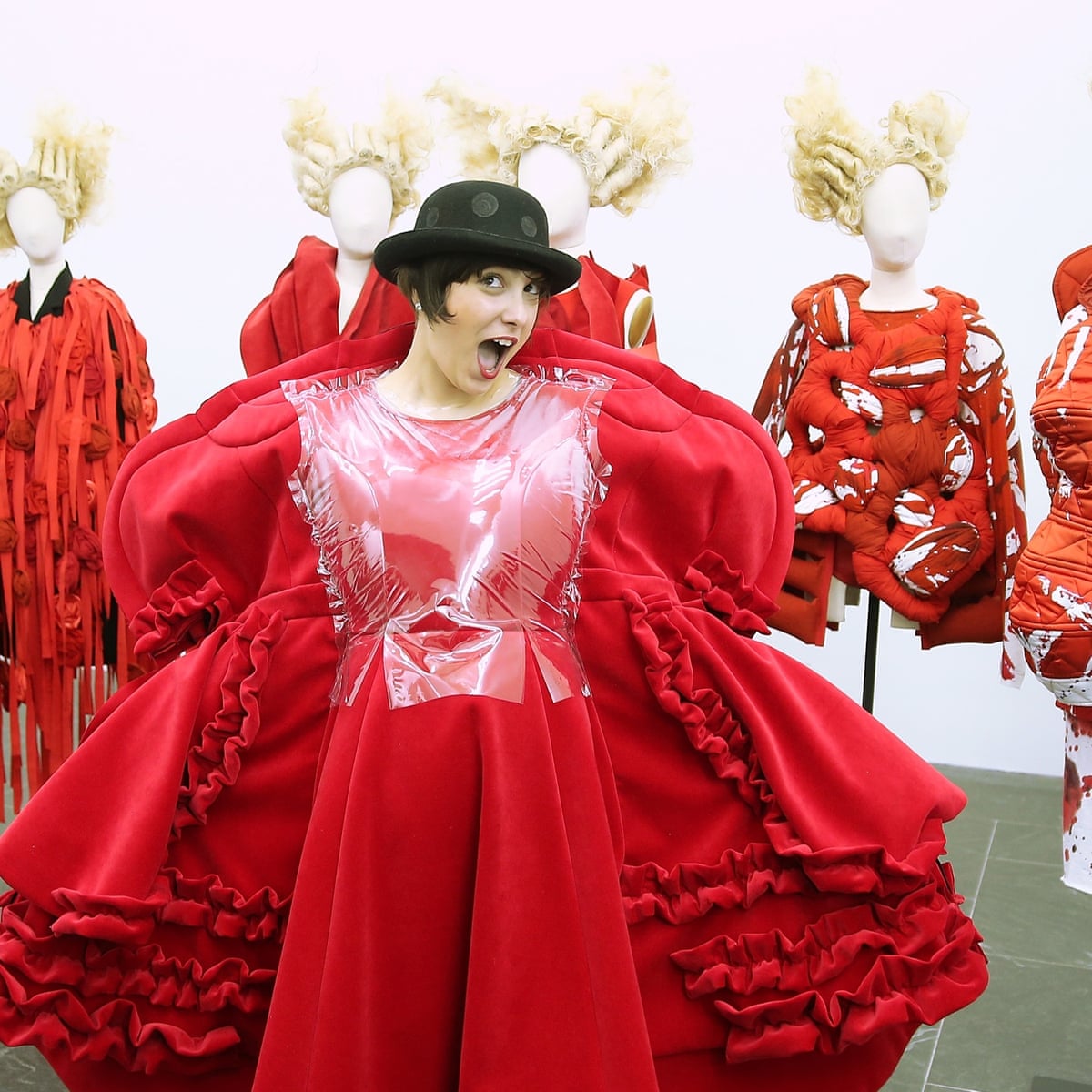
Kawakubo’s philosophical approach functions within a framework of deconstruction. Drawing inspiration from literary and architectural concepts, she challenges conventional dualistic interpretations of gender, objects, and purpose. For instance, the clear boundaries between attire and sculpture become indistinct in her “Body Meets Dress, Dress Meets Body” (Spring/Summer 1997) collection, as exaggerated padding alters the human form, prompting an examination of the structural relationship between the body and garments.
Anti-Fashion and the Void: The Significance of Emptiness
Rei Kawakubo is synonymous with the notion of anti-fashion. She facilitates dialogue by denying traditional reference points—her preference for black, asymmetry, and negative space invites contemplation on what is omitted as much as what is present. In her own words, Kawakubo has said she aims to “make clothes that didn’t exist before,” underscoring her belief that design must probe the void to attain new meaning.
Negative space plays a vital role in her body of work. The 2017 Metropolitan Museum of Art retrospective, titled “Art of the In-Between,” demonstrated how Kawakubo’s creations inhabit transitional areas, with her clothing frequently existing between artistic expression and practical wear, East and West, and conceptual design and utility. Garments transform into an exploration of space—empty areas, openings, and gaps suggest absence as a valid form of existence.
Conceptual Storytelling: Renouncing the Conventional Narrative
Unlike many designers, Rei Kawakubo refuses to offer overt stories or influences for her collections, often frustrating critics and confounding traditional marketing. Her design process is inherently conceptual; the meaning is communicated through form, tension, and disruption rather than explicit narrative. She compels the observer to form their own interpretation, positioning each collection as a philosophical inquiry rather than an aesthetic solution.
A notable illustration is the “18th-Century Punk” collection (Autumn/Winter 2016), which layered baroque grandeur over rebellious, deconstructed forms, rejecting both historical accuracy and modern commercial appeal. This contrast fosters an intellectual friction—a provocation against inertia for both the artist and the viewer.
Interdisciplinary Impact and the Democratization of Design
Kawakubo’s impact reaches into the realms of architecture and commercial environments, evident in her partnerships with architects such as Zaha Hadid and the cutting-edge aesthetic of Comme des Garçons stores globally. These settings reflect her core beliefs: retail locations featuring surprising spatial layouts, innovative illumination, and distinctive pathways invite patrons to experience fashion as a form of conceptual installation art, moving beyond mere displays of commercial goods.
Her role in making design more accessible is also incredibly significant. Through partnerships with popular brands like H&M and Nike, Kawakubo blurs the lines separating exclusive conceptual art from common clothing, prompting a reevaluation of how attainable design truly is.
Cultural Legacy: Instigating Dialogue on Identity and Self
Perhaps the most profound aspect of Rei Kawakubo’s representation in conceptual design is her illustration that garments are more than functional or decorative items. They are vessels for exploring identity, self-perception, and cultural constructs. Her refusal to distinguish between men’s and women’s silhouettes launched wider debates on androgyny and gender in fashion. Her persistent resistance to categorization compels reflection on how design encapsulates shifting societal narratives.
Her approach transforms the designer’s role from mere stylist or craftsman to philosopher and provocateur. Kawakubo’s legacy is found not in mass appeal or commercial volume but in her ability to elicit discomfort, dialogue, and transformation. She represents a continuous rebellion against stasis, a reminder that in conceptual design, true progression arises not from conformity but from fearless questioning, innovation, and the suspension of expectation. Through her hands, design is no longer solely a solution; it becomes a question in itself, eternally open to interpretation and reinvention.


.jpg "Harley Weir Wore a Corseted Dilara Findikoglu Dress for Her Ireland Wedding to John Kelleher")