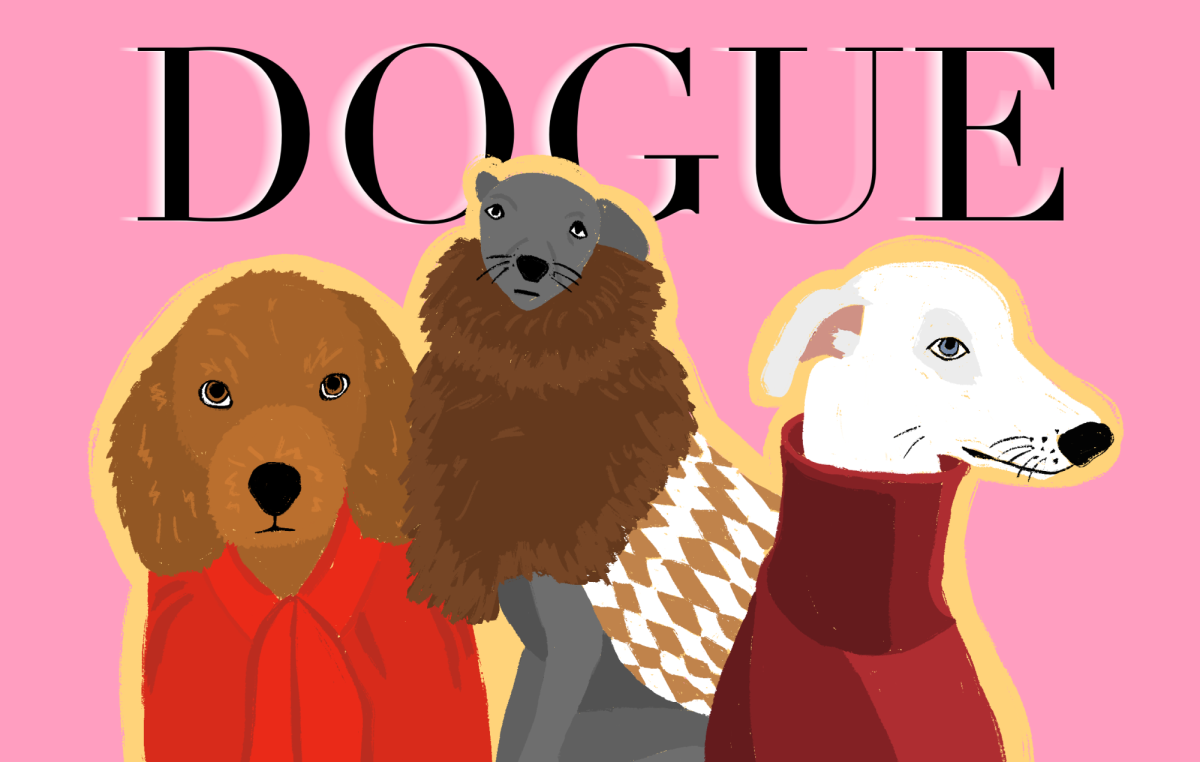

Summer has a way of stretching time, with long, warm days that seem to move slower than the calendar suggests. This period, often referred to as the dog days of summer, carries a reputation for heat, lethargy, and a certain heavy stillness in the air. The term itself has ancient origins, dating back to Roman and Greek civilizations, when people noticed the hottest days coincided with the rise of Sirius, the Dog Star, in the sky. These days have long been associated with a sense of intensity, both in temperature and in the unique rhythms of daily life that accompany them.
During this time, the natural world seems to pause. Animals adjust their routines, seeking shade and cool waters, while plants exhibit both the peak of summer growth and signs of stress from the relentless sun. Humans, too, feel the impact of these long, bright days. Productivity may slow, energy levels dip, and the desire for slow, languid afternoons becomes irresistible. The dog days of summer are as much a psychological phenomenon as they are a meteorological one, shaping the way people experience the season.
Historically, the dog days were more than a calendar marker; they influenced agriculture, social customs, and even health practices. Farmers planned their sowing and harvesting around this period, knowing that extreme heat could affect crop yields. In literature and folklore, these days were often depicted as times of risk and discomfort, moments when tempers flared, and illnesses were more likely to spread. The intersection of astronomy, climate, and human behavior made the dog days a noteworthy feature of the annual cycle, and their impact can still be felt in modern life.
The human response to the dog days often involves a search for balance and relief. Air-conditioned spaces, iced beverages, and shaded retreats become necessities rather than luxuries. Many people adjust their schedules, opting for early morning or late evening activities when temperatures are more manageable. Leisure, reflection, and outdoor enjoyment coexist with strategies to mitigate heat stress, creating a seasonal rhythm that blends work, play, and self-care. In essence, the dog days of summer encourage a heightened awareness of the environment and of personal limits.
Warmth, on the other hand, presents more than just a physical test; it impacts emotions and social behavior too. Researchers have pointed out that intense heat can alter irritability, enhance creativity, and affect decision-making processes. In the height of summer, communities may notice changes in behavior: individuals might move more slowly, prefer tranquil spots, or adopt minimalist routines. In contrast, events, trips to the coast, and summertime meetings persist, showcasing human resilience and the craving for connection even amidst uncomfortable conditions. This balance—between relaxation and action, heat and comfort—captures the essence of these end-of-summer days.
For individuals in harmony with nature, the heightened temperatures of the summer days offer special opportunities. The behaviors of wildlife adjust, with birds and mammals changing their eating times to escape the heat. Warm weather benefits insects, affecting plant pollination and maintaining ecological equilibrium. Gardeners discover that by paying close attention to watering and providing shade, they can maintain plant growth, whereas farmers must be alert to soil conditions and the moisture levels of crops. Even those with a casual interest may notice these nuanced shifts, developing a greater understanding of the connection between the sun’s strength and the life cycles it influences.
The period known as the dog days serves as a muse for artistic endeavors. Artists have historically harnessed the season’s intense, sun-drenched ambiance to convey feelings and reflect deeply. The light quality during this time is commonly noted for being rich, lush, and nearly palpable, enhancing the vibrancy of scenes, depictions, and inanimate subjects. Music and literature often allude to this season as a symbol of fervor, persistence, or change, mirroring how individuals process and conceptualize natural occurrences. Thus, the dog days function both as a chronological signpost and a wellspring of creativity.
Health considerations remain central during this period. High temperatures and humidity can exacerbate dehydration, heat exhaustion, and other heat-related illnesses. Experts recommend hydration, protective clothing, and avoiding prolonged exposure to direct sunlight. Beyond physical health, mental well-being is equally important. Recognizing the impact of heat on sleep patterns, mood, and energy can help individuals plan their days more effectively, creating environments that support comfort and productivity despite external conditions.
Urban environments, in particular, feel the weight of the dog days. Concrete and asphalt absorb and radiate heat, often making cities several degrees warmer than surrounding rural areas. Urban planners and designers take this into account, incorporating green spaces, reflective surfaces, and water features to mitigate heat. For residents, strategies such as using public parks, adjusting commuting times, or embracing seasonal indoor activities are essential for navigating the season safely and comfortably. The dog days, therefore, influence not only individual routines but also broader aspects of urban life.
Despite the challenges, there is a beauty in the dog days of summer that many come to cherish. Long sunsets, balmy evenings, and the quiet hum of life under a golden sun create moments of stillness and reflection. The season encourages connection—to the environment, to community, and to oneself. By embracing the rhythms and limitations imposed by the heat, individuals can discover new ways to savor the season, whether through travel, hobbies, or simple appreciation of warm summer nights.
The dog days of summer represent a complex season marked by intensity, change, and contemplation. They serve as a reminder of how natural cycles affect human behavior, emphasize the importance of self-care, and offer chances for creative inspiration that comes with the season. Whether dealing with the heat in the city or the countryside, whether looking for relaxation or aiming for productivity, this time of year both tests and enhances our day-to-day lives. Recognizing the dog days promotes awareness of our environment and enhances appreciation for the distinctive traits that late summer offers.



.jpg "Harley Weir Wore a Corseted Dilara Findikoglu Dress for Her Ireland Wedding to John Kelleher")