
In recent years, buying groceries has evolved from a simple task into a complex budgeting challenge for numerous families. Fluctuations in food prices have led people to alter their purchasing behaviors, reassess their priorities, and look for cost-effective options. Although costs generally vary due to expected reasons like seasonal changes or logistics expenses, recent worldwide incidents, financial stress, and changing demand have greatly unsettled this previously steady activity. Grasping the trends in grocery prices aids in personal financial planning and uncovers broader patterns in food systems and economic well-being.
A shift in consumer behavior
Inflation has significantly influenced consumer behavior regarding grocery shopping. Nowadays, many people are not simply buying items based on their preferences or brand loyalty. They are increasingly price-conscious. Customers are more carefully evaluating unit prices, considering generic brands, and looking into other store options. For some, this leads to shopping at wholesale or discount stores. For others, it involves altering their eating habits by choosing ingredients that provide more value per portion.
This behavioral change also highlights an important trend: shoppers are becoming more informed. Price tracking, whether mentally or with the aid of apps, is no longer reserved for coupon clippers. It’s now a widespread practice, helping families make real-time decisions about how to stretch their grocery budget without sacrificing nutrition or quality.
Volatile categories and steady staples
Not all types of foods have undergone the same level of price changes. Certain categories have stayed quite stable, whereas others have increased or decreased based on outside factors. Fresh fruits and vegetables, for instance, are very susceptible to climatic conditions, shipping expenses, and workforce accessibility. A drought or flood in a particular area can spread through supply networks and lead to abrupt price increases in supermarkets located far away.
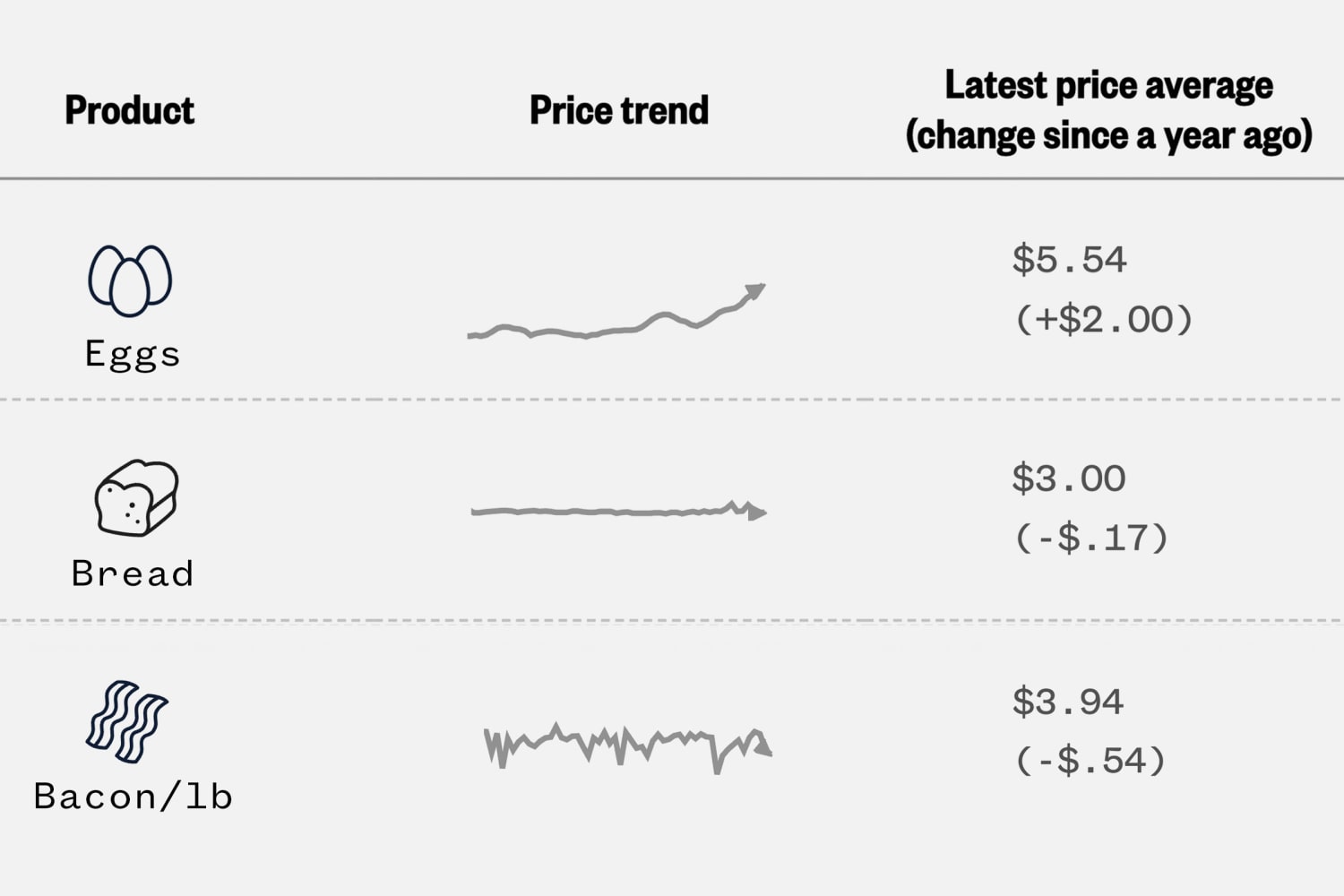
Meat and dairy, two staples in many households, have also faced volatility. Factors such as feed costs, processing bottlenecks, and international trade policies influence the price consumers see at the store. Eggs, once a stable and affordable source of protein, experienced drastic changes in price due to disease outbreaks among poultry flocks and shifts in demand from food service sectors.
Conversely, products such as rice, beans, and pasta have stayed fairly inexpensive and easy to find. These items often have extended shelf lives and depend less on intricate supply chains. Their stability has encouraged numerous consumers to include these basic foods back into their meal plans, especially as prices for fresh meat or imported items keep varying.
The impact of international events
Geopolitical tension, pandemic-related disruptions, and extreme weather events have all had a ripple effect on food systems. A conflict in a grain-producing region, for instance, can limit exports and send prices soaring across global markets. Meanwhile, transportation costs tied to fuel prices can make imported goods significantly more expensive for retailers and, ultimately, for consumers.
La pandemia de COVID-19 reveló la fragilidad de las cadenas de suministro globales. Desde la falta de personal en plantas de procesamiento de carne hasta las demoras en los envíos en puertos principales, los efectos se manifestaron en casi todos los eslabones del trayecto de los alimentos, desde la granja hasta el estante. Aunque algunas de estas interrupciones han disminuido, su impacto sigue afectando los ciclos de producción y los modelos de precios.
Moreover, climate change has introduced a new layer of unpredictability. Unseasonable weather patterns, more frequent natural disasters, and shifting growing zones have made crop yields more uncertain, directly affecting pricing trends.
How presentation and treatment influence cost
It’s not just the raw ingredient costs that drive grocery prices. Packaging, branding, and processing also contribute to the final price consumers pay. A simple comparison between whole vegetables and pre-cut, packaged versions shows how convenience often comes at a premium. Similarly, organic or sustainably sourced products tend to carry higher price tags due to the additional resources required in their production.
Rising costs in manufacturing materials—such as plastics, glass, and aluminum—have also impacted the packaging side of grocery goods. Companies facing increased expenses in these areas must decide whether to absorb the cost or pass it on to the consumer. In many cases, the result is smaller packages for the same price—a phenomenon known as shrinkflation.
Shrinkflation and how customers perceive it
Shrinkflation occurs when companies reduce the quantity of product in a package while maintaining the same price point. From snack bags to cereal boxes, this subtle strategy allows brands to manage production costs without overtly increasing prices. However, as consumers become more attentive to value, shrinkflation is being met with growing skepticism.
Aunque la reduflación podría parecer una estrategia para reducir costos por parte de los fabricantes, puede deteriorar la confianza de los consumidores, sobre todo si no se comunica de manera transparente el cambio. Con el tiempo, los compradores podrían decidir cambiar a marcas rivales o dejar de adquirir ciertos productos por completo si sienten que no están obteniendo un valor adecuado por su dinero.
Online resources and financial planning
To adjust to continuous price changes, numerous consumers are relying on online resources. Shopping applications, cost comparison sites, and budget management software enable individuals to monitor changes, discover deals, and establish financial objectives. These resources have enabled buyers to make more informed purchases, organize meals more effectively, and reduce waste.
In addition to digital solutions, more consumers are relying on meal planning and batch cooking to manage their expenses. By preparing meals ahead of time and using overlapping ingredients across several dishes, households can cut down on waste and reduce unplanned grocery trips—both of which help control overall spending.
Lasting effects and enhancement of consumer authority
While grocery prices may continue to shift due to various economic and environmental factors, today’s consumers are better equipped than ever to respond. Price awareness is now part of everyday life. People are asking more questions: Where does this food come from? Why is it priced this way? Can I find a better alternative?
These questions reflect a broader cultural shift toward intentional spending. Whether it’s buying in bulk, growing a home garden, joining a community-supported agriculture program, or simply reading food labels more closely, shoppers are reclaiming control in a fluctuating market.
The eventual outcome could be a sturdier and more knowledgeable group of consumers. With understanding comes empowerment, and as more people and households monitor changes in grocery prices, they are not only safeguarding their finances—they’re also influencing the market with their decisions.
Understanding how and why grocery prices change is essential for anyone looking to manage their household expenses more effectively. From supply chain issues to consumer behavior and digital innovation, a wide range of factors contribute to what ends up in your shopping cart—and how much it costs. By staying informed, adopting smart shopping habits, and making intentional decisions, consumers can navigate grocery price trends with confidence and resilience.