
For many years, patients experiencing lingering symptoms long after treatment for Lyme disease often found themselves facing skepticism, both from the medical community and broader public. These individuals reported chronic fatigue, joint pain, cognitive difficulties, and neurological issues, even after completing standard antibiotic therapies. While these symptoms were real to patients, the concept of “chronic Lyme disease” remained contentious in the world of medicine. Today, however, there is a noticeable shift in how the condition is being acknowledged and addressed by healthcare professionals.
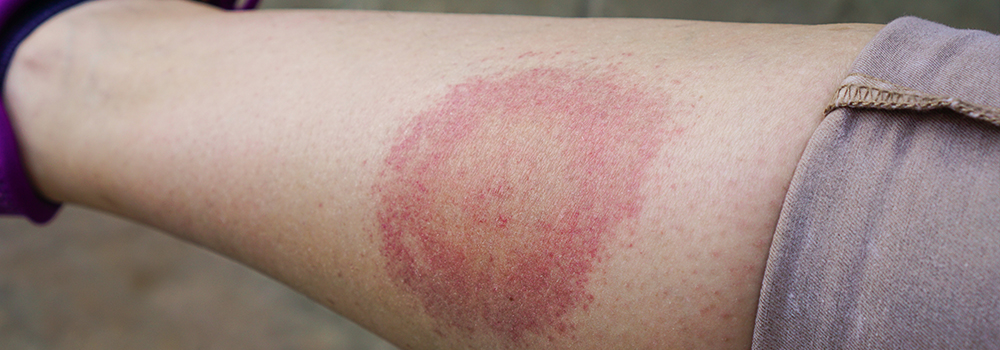
Lyme disease, caused by the bacterium Borrelia burgdorferi and transmitted through the bite of infected blacklegged ticks, is the most common vector-borne disease in the United States. Early symptoms typically include fever, fatigue, headache, and a characteristic skin rash. When caught early, the illness is generally treatable with antibiotics. However, for a notable portion of individuals, symptoms do not completely disappear after treatment. These persistent symptoms have fueled decades of debate about what is now being termed “Post-Treatment Lyme Disease Syndrome” (PTLDS).
The term PTLDS is increasingly favored among clinicians as it distances the diagnosis from controversial connotations associated with “chronic Lyme disease” while acknowledging that a subset of patients do continue to suffer long-term effects. Recent years have seen a growing number of doctors who are open to the idea that these post-treatment complications warrant medical validation and active management, rather than dismissal or psychosomatic attribution.
A contributing factor to the changing viewpoint is the gathering of patient-reported information and medical research indicating that a more intricate process occurs in the body after infection. Scientists are investigating multiple hypotheses, such as immune system imbalance, residual bacterial particles causing inflammation, or even the possible influence of additional infections carried by ticks. Although no single theory has achieved widespread agreement yet, the growing body of evidence has paved the way for more research.
Another reason for this shift in attitude is the increased visibility of Lyme disease itself. With climate change expanding the habitat of ticks, cases have surged in regions previously considered low risk. More people, including physicians and public health officials, now know someone affected by persistent Lyme-related issues, lending the condition a greater degree of legitimacy and urgency.
The traditional approach to Lyme disease treatment focuses on a few weeks of antibiotics, which work well for many but not all patients. For those with lingering symptoms, frustration often builds when test results show no remaining infection and doctors struggle to offer effective relief. This dynamic has led to the rise of a medical gray zone, where patients find themselves bouncing between specialists or turning to alternative treatments outside of mainstream medicine. Unfortunately, this lack of consistent medical guidance has sometimes left patients vulnerable to unproven therapies or even medical exploitation.
Recognizing these gaps, some medical institutions are beginning to launch dedicated centers focused on tick-borne illnesses and persistent Lyme symptoms. These programs aim to offer more comprehensive care, incorporating neurology, immunology, and rehabilitation into treatment plans. They also emphasize listening to patient experiences and validating their symptoms, even when standard diagnostics fall short.
Yet, a number of areas within the medical community continue to resist this change. Doubts persist regarding whether the continued symptoms are a direct consequence of Lyme disease or stem from different illnesses or psychological reactions. Those questioning the “chronic Lyme” designation claim that it might result in misdiagnosis, guiding patients toward redundant treatments or overlooking other health problems. On the other hand, advocates for wider acknowledgment argue that ignoring ongoing symptoms leaves patients without assistance, which can frequently exacerbate their condition due to stress, prolonged diagnosis, or mental fatigue.
Insurance coverage is one more challenge. Numerous health plans restrict their coverage to brief antibiotic treatments and do not offer reimbursement for prolonged therapies or integrated medical care, citing a lack of sufficient evidence. As awareness of PTLDS increases and new research projects gain financial support, it is possible that future medical guidelines will adapt to more accurately address the requirements of these patients and enhance access to care.
At the heart of the issue is a growing awareness that complex illnesses like post-treatment Lyme disease don’t always fit neatly into traditional diagnostic boxes. Just as the medical field has slowly come to understand the lingering effects of COVID-19, there is increasing recognition that infectious diseases can sometimes lead to long-lasting health challenges that extend well beyond the resolution of the acute infection.
At the same time, individuals with lingering symptoms following Lyme therapy persist in searching for explanations, frequently navigating through a challenging path of advocacy, experimentation, and disjointed healthcare. The continual advancement in medical comprehension brings a ray of optimism—not just for acknowledgment, but also for more efficacious treatments, amplified research funding, and an increased focus on comprehensive patient care.
As Lyme disease awareness continues to grow and science digs deeper into its long-term impact, the line between doubt and diagnosis may finally begin to blur. This shift marks a critical step toward building a more compassionate, informed, and scientifically grounded approach to treating individuals whose suffering has long gone unrecognized.

.jpg "Centro de lactancia en Guatemala")