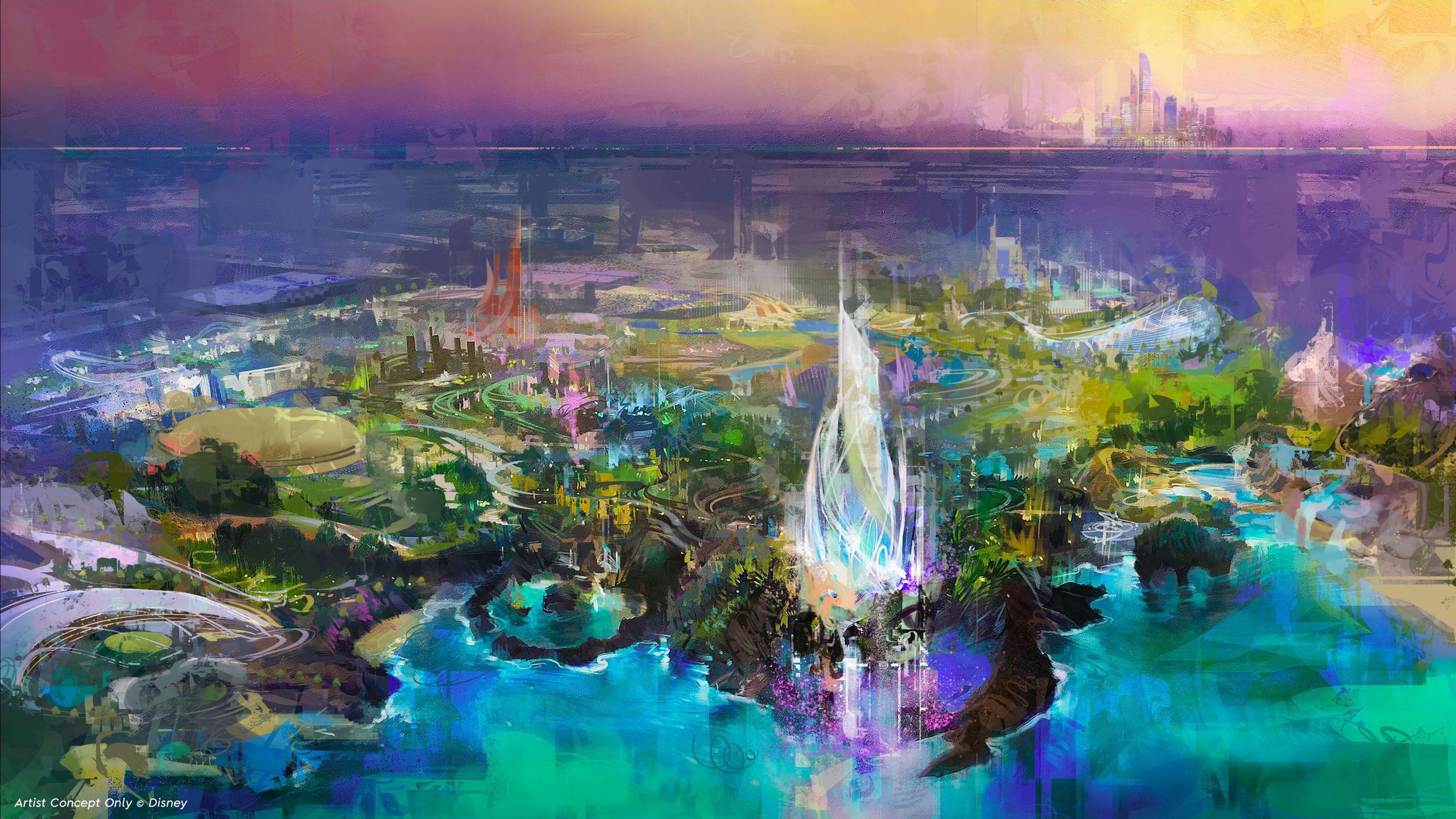

The text initiatives for boosting internal consumption and rejuvenating the services industry in China emphasize a somewhat surprising driver of economic boost: amusement parks. Including international giants such as Legoland and locally established entertainment venues, the nation is placing significant resources into these recreational locations to draw in families along with young tourists. This particular strategic approach to leisure development underscores the government’s wider vision to shift the economy from a reliance on investment-driven expansion towards one more reliant on domestic consumption.
For years, China’s rapid economic expansion was underpinned by exports and infrastructure development. However, with slowing growth, global uncertainties, and shifting demographics, policymakers have identified domestic consumption as a key driver for long-term sustainability. Within this framework, the tourism and recreation industries—particularly theme parks—are being cultivated as engines of local spending and employment.
Legoland is one of several major international brands establishing a footprint in China. New parks are under development in multiple regions, with the goal of attracting families seeking immersive and educational experiences. These projects often involve partnerships between local governments and global entertainment companies, allowing China to tap into established expertise while integrating Chinese culture and themes to appeal to domestic audiences.
The rationale behind this investment goes beyond entertainment. Theme parks are viewed as hubs of economic activity, creating jobs during construction and operation, boosting hotel and restaurant revenues, and encouraging retail expansion. A well-placed theme park can transform an entire district, attracting tourists from across the country and generating long-term economic benefits for local communities.
Moreover, the development of large-scale leisure destinations aligns with China’s broader urbanization plans. As second- and third-tier cities evolve into regional centers, they are increasingly seeking to distinguish themselves with unique attractions. Establishing theme parks helps these cities draw in visitors, build cultural identity, and enhance their reputations as modern, livable places.
El atractivo de los parques temáticos también muestra la evolución del comportamiento del consumidor, particularmente entre las generaciones más jóvenes de familias chinas. Con el aumento de los ingresos y una clase media en expansión, las experiencias están ganando relevancia sobre los bienes materiales. Los padres están invirtiendo más en viajes, ocio y actividades de enriquecimiento para sus hijos, y los parques temáticos ofrecen una combinación de las tres. Atracciones como Legoland, que fusionan el juego con el aprendizaje y el intercambio cultural, están bien posicionadas para aprovechar esta tendencia.
The Chinese government has placed greater emphasis on expanding the domestic tourism market, particularly after disruptions to international travel during the COVID-19 pandemic. With outbound tourism curtailed, there’s a clear incentive to enhance in-country travel options. This shift has spurred renewed investment in entertainment infrastructure, from amusement parks to cultural heritage sites and eco-tourism destinations.
Theme parks also align with broader technological ambitions. Many new facilities incorporate advanced digital experiences—augmented reality, artificial intelligence, and data-driven personalization—positioning them not only as places of leisure but also as showcases for China’s innovation capabilities. The integration of smart technologies into entertainment spaces enhances visitor engagement and allows for better crowd management, an important feature in a country with such a large population.
Even though there are prospects, obstacles persist. Building theme parks requires significant investment and involves considerable long-term financial risk. Several past initiatives in China faced difficulties because of overestimating demand, selecting unsuitable locations, or failing to differentiate. In order to prevent such issues, more recent projects are placing greater emphasis on market analysis, global collaboration, and implementing phased approaches in their development strategies.
Moreover, competition is intensifying. As more cities build their own parks, the market risks becoming oversaturated. This puts pressure on operators to continually innovate and maintain high standards of service. In addition, rising operational costs and shifting regulatory frameworks can complicate project timelines and profitability.
Nevertheless, experts find potential in China’s expanding leisure industry, especially when projects align with wider economic and city development objectives. Integrated resorts, which merge amusement parks with retail areas, accommodations, transport stations, and cultural centers, provide varied income sources and stability in a changing economic landscape.
For international brands like Legoland, success in China depends on their ability to localize experiences without losing their global appeal. This means adapting content to resonate with Chinese values and traditions, offering bilingual services, and collaborating with local partners who understand regional markets. In turn, such partnerships offer Chinese developers access to global best practices in design, safety, and operations.
The backing provided by the government for these projects is also an important element. By implementing advantageous land policies, offering financial support, and simplifying approval procedures, the authorities are promoting increased investment in the entertainment sector. The long-term goal is evident: to nurture a domestic economy that is self-reliant, driven by consumption, and able to withstand external disturbances.
As China continues to recover from pandemic-era disruptions and confronts new economic challenges, the focus on theme parks and experiential consumerism represents a shift in national development priorities. By investing in joy, creativity, and shared experiences, the country is not just building attractions—it is laying the foundation for a more diversified and dynamic economy.
In this evolving landscape, theme parks are more than leisure destinations. They are strategic assets in China’s effort to build a consumer economy that is modern, inclusive, and emotionally engaging. Whether families are visiting a pirate-themed adventure ride, participating in a cultural show, or walking through miniature versions of iconic landmarks, their experiences are contributing to a larger national vision—one where enjoyment and economic growth go hand in hand.