
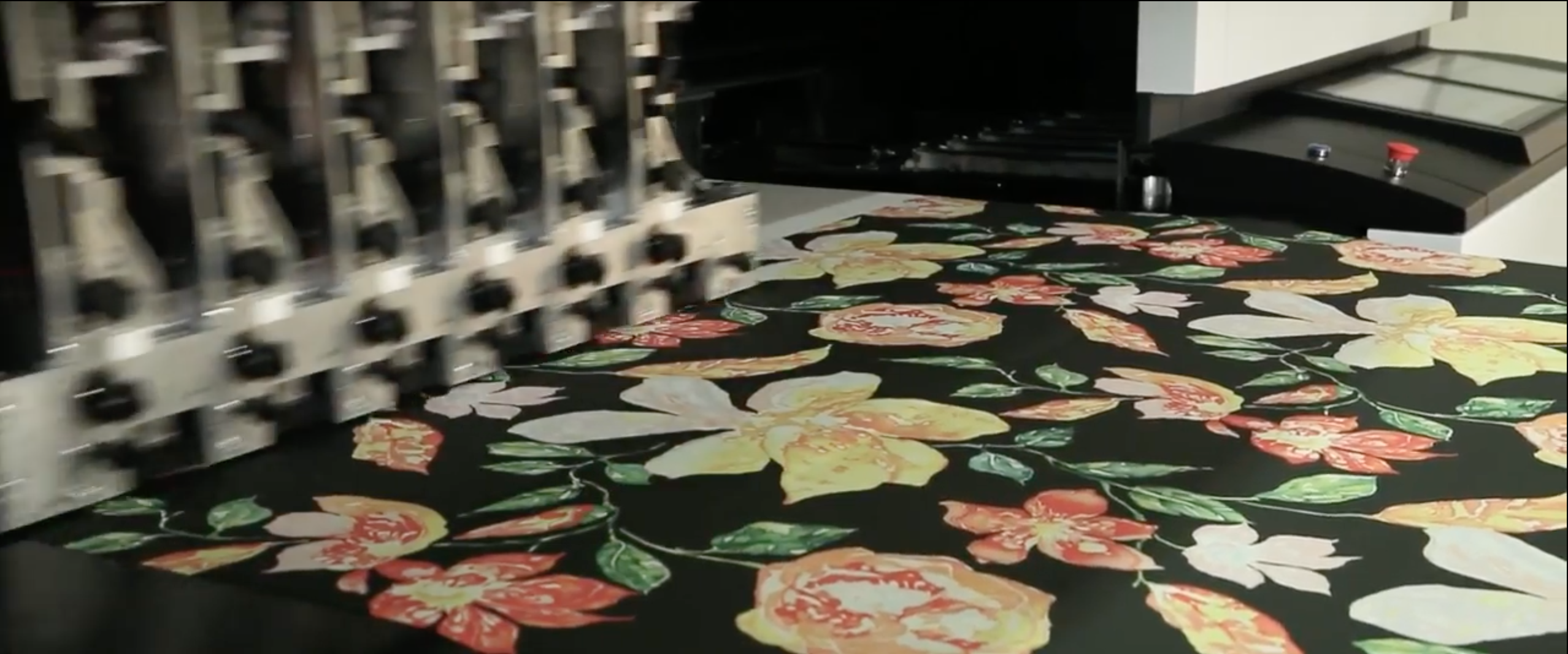

Digital fast fashion is an emerging trend in the fashion industry characterized by the rapid production and distribution of clothing, facilitated through digital technology and online platforms. Unlike traditional fashion cycles, which can take months or even years from concept to consumer, digital fast fashion often takes just a few weeks. This trend leverages digital tools, artificial intelligence, and seamless online retail experiences to meet consumer demands almost instantaneously.
The Rise of Digital Fast Fashion
One of the key drivers of digital fast fashion is the shifting consumer expectations in a digital age. With the internet and social media, consumers have immediate access to the latest trends and styles from around the world. Platforms like Instagram and TikTok amplify trends at lightning speed, prompting fashion brands to respond quickly. This immediacy puts pressure on brands to produce and release collections that reflect current trends in real-time.
Companies like ASOS, Shein, and Boohoo illustrate how the digital fast fashion model operates, drawing on advanced supply chain systems and strong e-commerce tactics. Their strategies often depend on data analytics to anticipate upcoming trends, with algorithms evaluating user engagement across social media and other online channels. Through this data-focused method, they gain insight into shifting consumer preferences, which helps compress the timeline from concept to sale while strengthening their competitive position.
Advances in Technology
Technologies like 3D printing and virtual reality have pushed digital fast fashion ahead, with 3D printing enabling swift design prototyping that reduces both production time and material waste, while virtual reality delivers an immersive shopping environment where customers can virtually test outfits before buying; furthermore, AI-powered tools refine the design workflow by forecasting fashion trends and automating the generation of fresh concepts.
Furthermore, blockchain technology is increasingly being adopted to improve transparency and traceability across the fashion supply chain. By offering a clearer view of where garments originate and how they are made, it can help address ethical issues tied to fast fashion, including labor practices and environmental impact.
Moral and Ecological Effects
Digital fast fashion may open doors to innovation and quicker responses to consumer preferences, yet it simultaneously brings ethical and environmental challenges. Its accelerated production pace can intensify problems like labor exploitation and ecological harm. These rapid cycles often fuel overconsumption and generate more waste, undermining initiatives aimed at fostering sustainable fashion practices.
To combat these issues, some brands are prioritizing sustainability even within the fast fashion framework. They are adopting circular fashion principles by recycling materials and upcycling unsold inventory. Additionally, brands are increasingly transparent about their sourcing, production practices, and labor conditions, catering to the growing consumer demand for ethical fashion.
The Consumer’s Role
Consumers play a crucial role in shaping the future of digital fast fashion. As awareness around sustainability grows, many are actively seeking brands that align with their values. The rise of conscious consumerism encourages companies to rethink their strategies, promoting more sustainable practices and increasing their efforts in providing transparency about their supply chains.
Furthermore, the demand for individualized and curated shopping experiences has led to the emergence of personalized fashion services. These services leverage AI and machine learning to offer tailored recommendations, thereby enhancing customer engagement and satisfaction without sacrificing ethical standards.
Digital fast fashion stands at a compelling crossroads where technology, culture, and commerce converge, shifting rapidly with emerging style trends while introducing significant concerns, especially in terms of sustainability and ethical practices. As this field advances, maintaining a careful equilibrium between creative innovation and accountable action becomes essential, guided by industry leaders and knowledgeable consumers who play a decisive role in shaping what comes next.


