
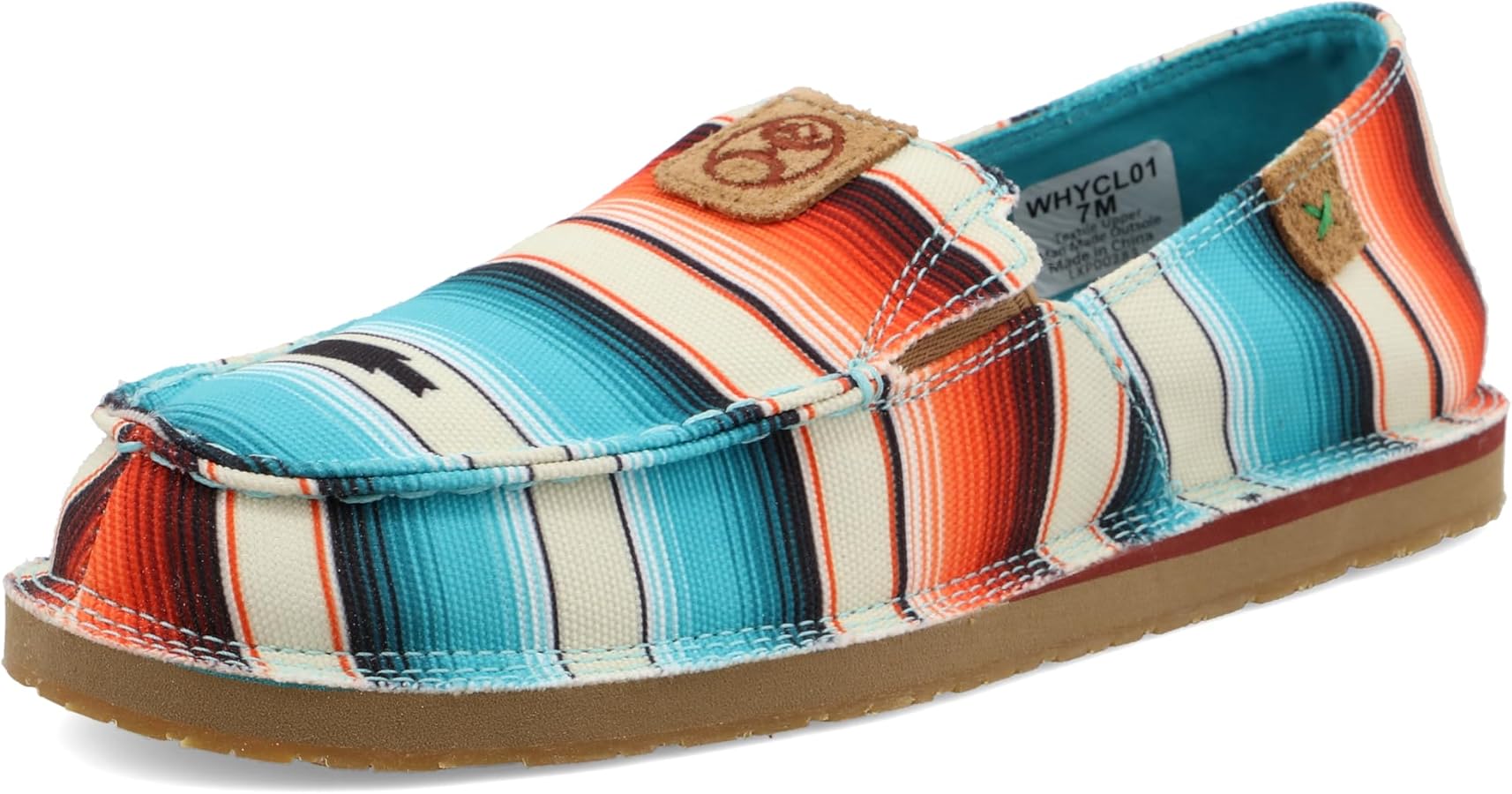

Footwear design represents a distinctive intersection of art, science, and technology dedicated to crafting shoes and other related forms of footwear, demanding a thorough grasp of visual style, practical performance, and ergonomic principles so these elements can come together to deliver footwear that remains aesthetically engaging while offering comfort and addressing specific functional requirements.
Structural Foundations of Footwear Design
The process of footwear design starts with gaining insight into the anatomy of a shoe. Designers evaluate features like the upper, insole, midsole, and outsole. Every part carries specific functions and expected results, shaping both performance and visual appeal in the finished product. For example, the outsole, typically produced from rubber or synthetic compounds, plays a vital role in durability and grip. In contrast, the insole, often formed from foam or gel, enhances comfort for the wearer.
Cultural and Functional Considerations
Footwear design is not merely about appearance. It incorporates cultural, social, and functional considerations. Designers must stay informed about various trends and consumer preferences, such as the growing demand for sustainability in shoe manufacturing. This involves choosing eco-friendly materials and ethical production methods to minimize the environmental impact.
Functional considerations are crucial, particularly for specific types of footwear like sports shoes or orthotic footwear. For example, running shoes are engineered to provide cushioning, support, and shock absorption, catering to the dynamic movements of athletes. Conversely, orthotic shoes are designed to address specific health concerns, offering support and alignment for individuals with foot disorders.
Advances in Modern Footwear Crafting
The footwear sector has recently undergone notable progress shaped by technological breakthroughs and evolving customer demands, and among the most transformative developments is 3D printing, a method that speeds up prototyping while enabling highly customized creations; through this approach, designers gain the freedom to explore complex patterns and tailor-made fits that were once impossible to realize.
Smart footwear is rapidly gaining momentum, blending embedded sensors and digital connectivity to deliver detailed insights into wearers’ movement patterns and overall activity. This wave of innovation highlights the deepening fusion of fashion with technology, encouraging designers to explore ways to integrate digital capabilities effortlessly into their creations.
Examples and Case Studies
A remarkable instance of forward-thinking footwear engineering is Nike’s Flyknit technology, which debuted in 2012 and reshaped shoe manufacturing by employing light yet durable fibers to form a snug upper; this breakthrough cut material waste considerably and reflected a clear shift toward more sustainable production methods.
Another impactful design is the collaborative work between Adidas and Parley for the Oceans. This partnership focuses on making high-performance shoes from recycled ocean plastic, addressing environmental concerns while maintaining industry standards for quality and performance.
The Craft and Discipline Behind Modern Footwear Design
Footwear design blends artistic flair with scientific precision, requiring designers to pair creative vision with an analytical approach that solves technical issues, and this discipline continually fosters a dynamic exchange between imagination and practicality, turning every design challenge into a chance for inventive solutions.
Considering the current landscape of footwear design, it becomes evident that this realm is progressing at an engaging and rapid rhythm, shaped by modern technology, sustainable approaches, and diverse cultural influences that together anchor today’s design ethos. As innovations and stylistic movements continue to advance, the potential within footwear design will expand as well, pointing toward a future that skillfully blends practicality with distinctive aesthetic appeal.


