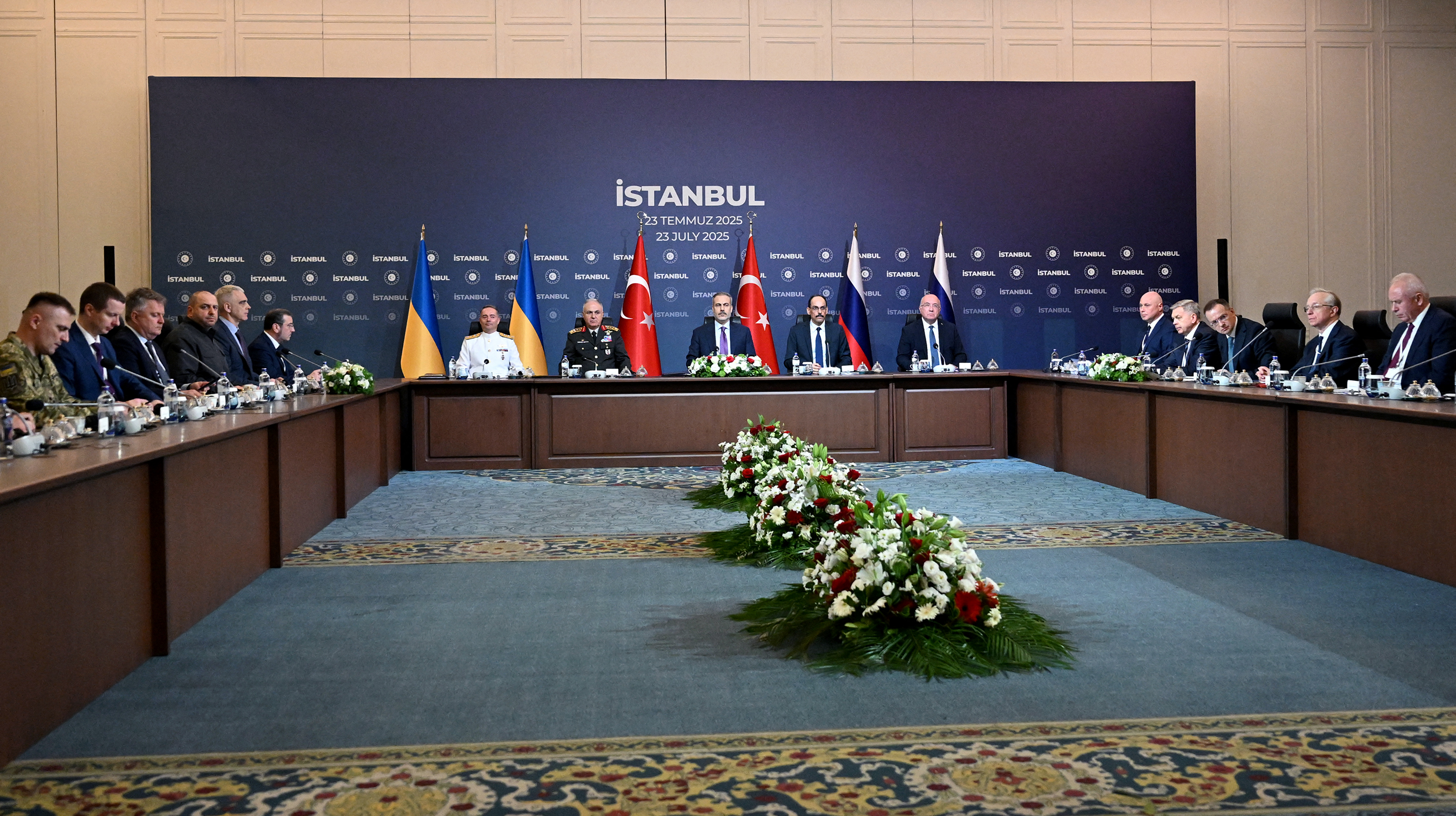

A fresh exchange of prisoners between Russia and Ukraine has been completed, offering a rare sign of cooperation between the two nations despite the broader lack of progress in formal negotiations. While the release of detainees has been welcomed by both sides, the wider talks held in Istanbul remain largely stalled, with few signs of a significant diplomatic breakthrough.
The prisoner swap marks one of the few areas where Moscow and Kyiv have continued to find common ground since the full-scale conflict erupted. In this latest exchange, both countries repatriated dozens of individuals held in captivity. These exchanges often involve military personnel, and in some instances, civilians who were detained under accusations of espionage or aiding the enemy. Families on both sides have expressed relief and gratitude, even as the broader geopolitical tensions remain unresolved.
Despite this cooperation, the talks in Istanbul — which have periodically served as a neutral venue for Russian and Ukrainian representatives — have yielded minimal progress on key issues such as territorial disputes, ceasefire agreements, and humanitarian corridors. Observers say that both sides remain entrenched in their positions, with Ukraine insisting on the restoration of its full territorial integrity and Russia maintaining its claims over annexed regions.
The importance of swapping prisoners must not be downplayed, particularly in a long-standing and grueling conflict that has severely impacted both military personnel and civilians. Although minor compared to the broader context of the war, these actions fulfill two roles: easing personal hardship and showcasing that some communication pathways are still available.
In the past few months, the focus on the humanitarian side of the conflict has grown significantly. Numerous families in Ukraine and Russia are still searching for news about their missing loved ones. Global humanitarian groups have urged both governments to enhance the role of impartial negotiators to ease future exchanges and clarify the status of those unaccounted for. The most recent prisoner trade has intensified demands for more openness and collaboration via international organizations.
Nevertheless, the larger diplomatic impasse casts a shadow over these humanitarian successes. Negotiators in Istanbul have failed to make headway on any of the critical issues that could lead to a cessation of hostilities. Each round of talks appears to reiterate positions rather than bridge them. Some analysts argue that these negotiations serve more to test the willingness of the other side than to reach consensus, with both Russia and Ukraine using the platform to send messages to the international community.
Kyiv has repeatedly emphasized that no agreement can be reached without addressing the return of occupied territories, particularly Crimea and regions of eastern Ukraine currently under Russian control. Moscow, meanwhile, continues to press for recognition of these territories as Russian, a demand Ukraine has categorically rejected. This deadlock has led to skepticism over the efficacy of ongoing dialogue efforts.
Turkey, hosting the discussions in Istanbul, has set itself up as an intermediary aiming to encourage conversation while keeping relations with both nations. Turkish representatives have called for a reduction in hostilities and have previously played a role in facilitating agreements, like those concerning grain shipments via the Black Sea. Nonetheless, Turkey’s endeavors seem constrained given the strategic and ideological chasm separating the conflicting sides.
Meanwhile, conditions on the ground are still unstable. Clashes persist across several fronts, with severe losses reported in disputed regions. Both Russia and Ukraine are conducting ongoing military activities, which further hinders efforts toward reaching a negotiated resolution. As both parties aim to secure advantages in combat, the chance of achieving significant diplomatic advancements diminishes.
The global community persists in encouraging a peaceful solution, with numerous nations and organizations advocating for fresh diplomatic initiatives. Yet, these appeals remain unmet by significant advancements in negotiations. Although prisoner swaps indicate a hint of collaboration, they are insufficient to tackle the fundamental issues of the conflict or create a path to peace.
Ultimately, the future course is still unpredictable. The ongoing swap of captives might assist in sustaining a basic level of communication, yet it is improbable to solve the stalemate on more significant matters. At present, the discussions in Istanbul seem to serve as a platform for handling the appearance of diplomacy, rather than influencing its core.
Until both Russia and Ukraine find a basis for compromise — or external pressures shift the dynamics — the prospects for a negotiated settlement remain dim. In the meantime, humanitarian measures like prisoner exchanges offer brief reprieves amid the enduring hardships of war, serving as reminders that even in conflict, shared humanity can occasionally override political impasse.


