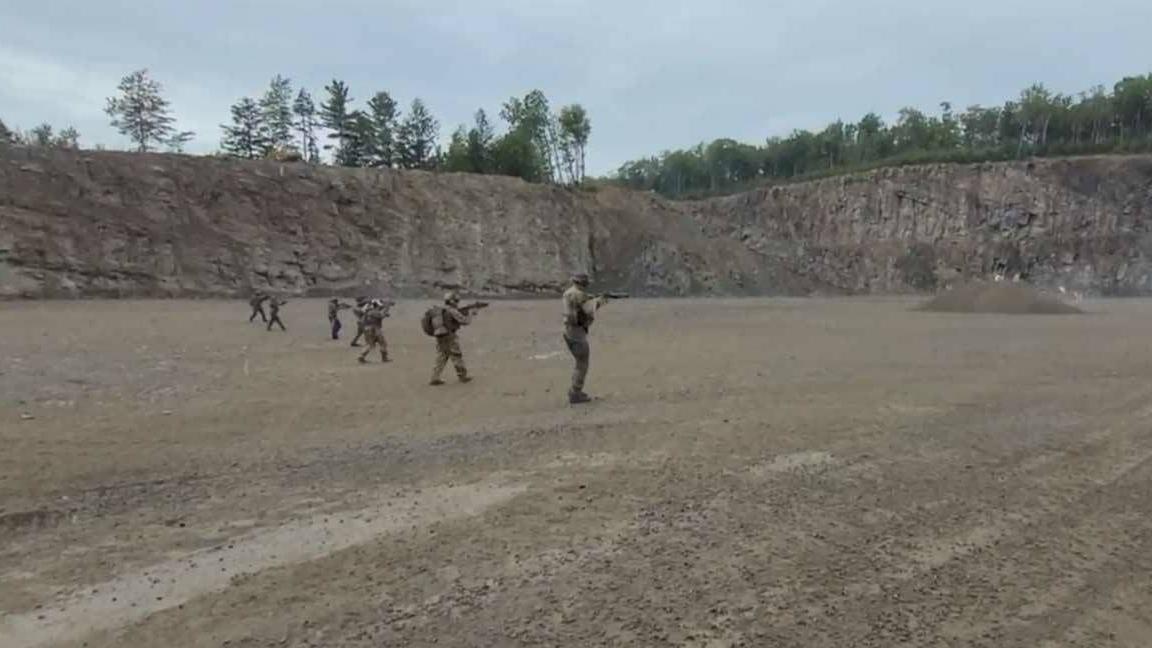

Canadian law enforcement agencies have launched an in-depth investigation into allegations that several members of the Canadian Armed Forces (CAF) were involved in planning activities associated with an anti-government militia. This development has raised serious concerns about the infiltration of extremist ideologies within national defense institutions and the broader implications for public safety and national security.
According to police reports, the individuals under investigation are suspected of organizing or supporting activities intended to undermine the Canadian government. While full details of the alleged plot have not been made public, early findings suggest that this case may involve connections to fringe groups known for advocating anti-government sentiment and, in some instances, espousing conspiracy-driven ideologies.
The Royal Canadian Mounted Police (RCMP), in cooperation with military leadership, is overseeing the investigation. Authorities emphasize that the matter is being treated with utmost seriousness, particularly given the involvement of trained military personnel who have access to sensitive information and tactical skills. This dual concern—addressing potential threats while safeguarding the integrity of Canada’s military—has put the issue in sharp focus both within government circles and among the general public.
The investigation reportedly began following intelligence obtained by security services, which pointed to online communications and in-person meetings among individuals with military affiliations expressing extremist views. Some participants allegedly discussed the formation of an organized militia aimed at challenging government authority, a scenario that Canadian security agencies monitor as part of ongoing efforts to combat domestic extremism.
In recent times, Canada, similar to numerous democracies, has experienced the rise of small yet outspoken anti-government factions. These groups frequently prosper in online echo chambers, where false information and extreme beliefs can proliferate without restriction. Although most of these movements stay on the periphery of political conversation, their capacity to incite tangible violence or disruptive behaviors has turned them into a focal point for authorities.
What makes this particular case particularly alarming is the alleged involvement of CAF members. The military is traditionally viewed as an institution founded on discipline, loyalty, and adherence to the rule of law. Any suggestion that uniformed personnel may have engaged in plotting anti-government activities represents not only a breach of those values but also a possible security threat with far-reaching consequences.
The Department of National Defence has issued a statement confirming that it is fully cooperating with the ongoing investigation. Military leadership has also reiterated that extremist ideologies have no place within the armed forces and that any members found to be participating in such activities will face strict disciplinary measures, including possible dismissal and criminal prosecution.
Defense authorities in Canada have admitted that recognizing and dealing with extremist actions among military personnel is a challenging and developing issue. In reaction to increasing worries in recent times, the CAF has implemented steps to enhance vetting procedures, better supervision of personnel conduct, and promote a culture of diversity and inclusion that actively deters radicalization.
Security specialists point out that although the amount of people engaged in extremist actions in the Canadian military is quite minimal, even a single occurrence can lead to significant consequences. The unique training, access to resources, and management abilities held by military members indicate that any case of radicalization might have hazardous outcomes.
Moreover, the trust of the public in the armed forces may diminish if there is a belief that extremist elements are not being properly identified and eliminated. Therefore, openness and responsibility in addressing these situations are deemed crucial, not only for safety but also for preserving the institution’s integrity.
In the wider view, this situation emphasizes the difficulties that governments and security agencies globally encounter when managing domestic extremism. Although international terrorism has been the central concern of security in the past few decades, recent incidents in many nations, including the United States and regions of Europe, have highlighted the increasing threat from locally born extremist groups.
These organizations frequently function on the edges of political dialogue, but they might gain confidence through social networks, financial uncertainty, or divisive political language. Occasionally, they could draw people with military or police experience, enhancing their potential for coordinated activities.
Canadian authorities have already taken steps to address the broader issue of domestic extremism. The RCMP and Canadian Security Intelligence Service (CSIS) have increased resources dedicated to monitoring potential threats, including those originating from ideologically motivated violent extremists (IMVEs). These efforts focus on identifying early warning signs, disrupting plots, and engaging in community outreach to counter radicalization before it escalates.
Recent claims concerning individuals in the Canadian Armed Forces underscore the necessity for awareness across all societal levels, including governmental bodies, to prevent the proliferation of radical ideologies. Politicians and security experts have highlighted the significance of maintaining civil liberties while ensuring necessary security measures, especially regarding the observation of digital interactions and confidential exchanges.
As a result of the investigation, certain proponents have urged for a more assertive strategy to thwart radicalization within the armed forces. Proposed actions involve more thorough screening processes during recruitment, continuous education on democratic ideals and the risks posed by extremism, along with better mental health services for military personnel who might be susceptible to extremist influences.
The study also prompts inquiries regarding the origins of extremist beliefs. Specialists indicate that people attracted to anti-government groups frequently experience a deep sense of alienation, disappointment with political systems, or irritation at the believed erosion of liberties. Tackling these fundamental issues through open conversations, education, and community involvement is seen as crucial to deterring radicalization.
As the investigation continues, authorities have urged the public to refrain from speculation and to allow the legal process to take its course. At this time, no charges have been formally announced, and the identities of those under investigation have not been disclosed, in keeping with privacy laws and the ongoing nature of the case.
The wider repercussions of this case could influence upcoming policies related to military supervision, security clearances, and strategies to combat extremism in Canada. The government has reiterated its dedication to protecting democratic institutions, ensuring that the armed forces continue to be a reliable foundation of national unity and security.
As communities across Canada reflect on the news, there is growing recognition of the need for collective vigilance—among citizens, institutions, and policymakers alike—to confront the threat of extremism in all its forms, ensuring that such ideologies do not take root or flourish in any corner of Canadian society.


