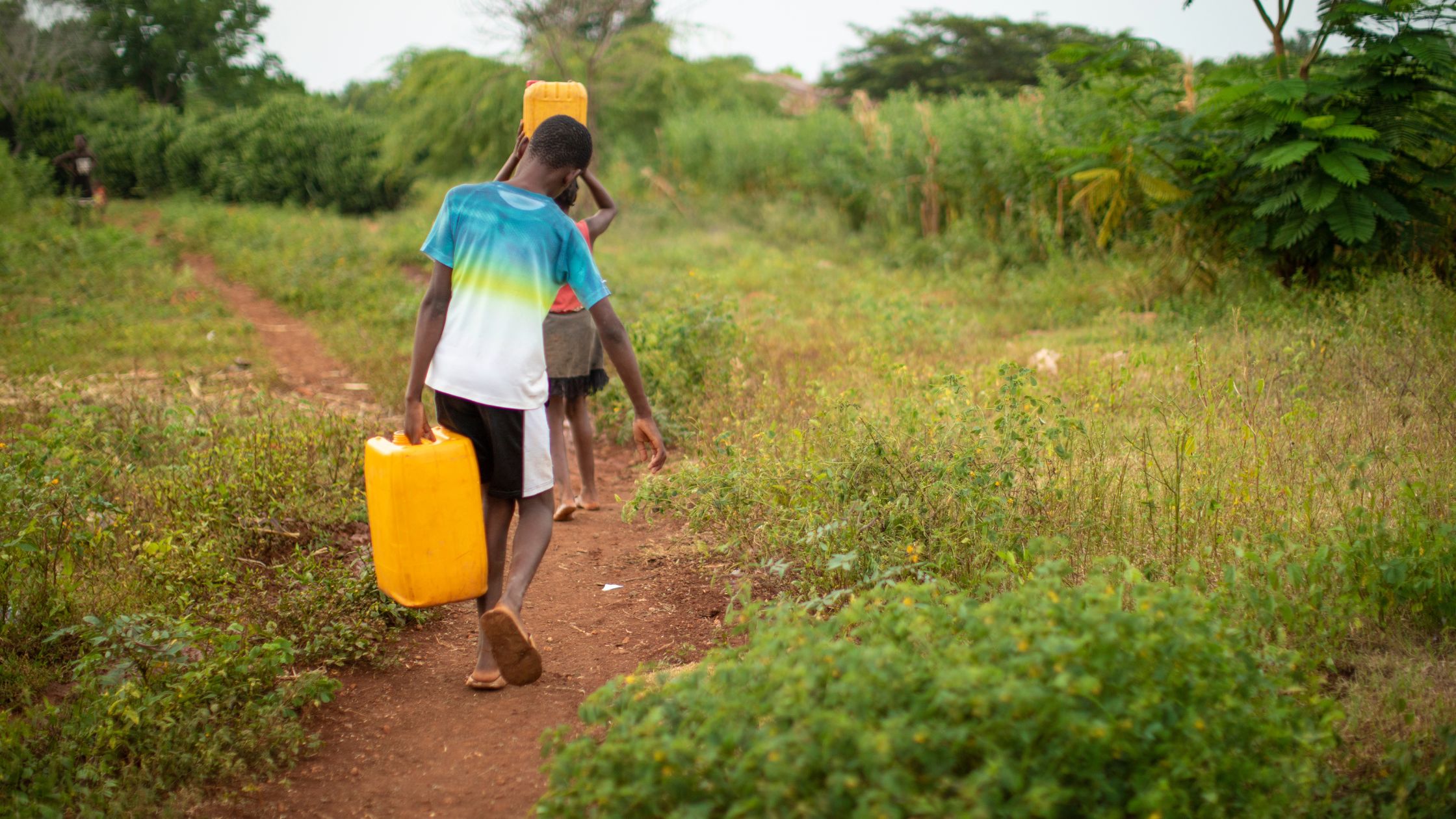

Angola’s post-conflict development trajectory has improved macroeconomic indicators, but rural communities still face persistent deficits in safe water and preventive health services. Private-sector actors — particularly oil and gas firms, mining companies, and international corporations operating in Angola — have implemented Corporate Social Responsibility (CSR) programs that target water, sanitation, hygiene (WASH) and preventive health. These interventions often complement government and donor efforts and can generate durable gains when they are community-led, technically sound, and coordinated with public systems.
Context and need
- Demographics and access gaps: Angola’s population stands in the mid-thirty‑million range, with many residents living in rural provinces like Huíla, Cunene, Cuando Cubango and Cuanza Sul. Numerous rural households depend on unsafe water points, sporadic services or lengthy trips to collect basic supplies.
- Health burden: Preventable conditions such as waterborne infections, diarrheal illness and malaria continue to account for a large share of outpatient demand and childhood sickness in rural settings. Limited primary care facilities and reduced outreach capacity hinder preventive efforts including immunization, maternal and child care, and vector‑control activities.
- Private-sector footprint: Angola’s extractive and infrastructure industries operate in hard‑to‑reach zones, creating obligations as well as openings for companies to support community water and health initiatives within their CSR programs.
CSR intervention frameworks that deliver tangible outcomes
- Basic infrastructure investments: drilling new boreholes, fitting handpumps, and building protected springs along with solar-driven piped networks connected to kiosks or communal taps.
- Integrated WASH and health packages: combining water provision with sanitation initiatives, hygiene instruction, and assistance for nearby health posts to generate mutually reinforcing preventive outcomes.
- Support for primary health outreach: backing mobile clinic operations, preparing community health workers (CHWs), and providing cold-chain devices or transport essential for vaccination efforts.
- Behavior-change communication: community-led total sanitation (CLTS), school-based WASH activities, and hygiene messaging designed to boost system adoption and curb disease spread.
- Operations and maintenance (O&M) systems: forming local water committees, preparing technical personnel, maintaining spare-part supply lines, and organizing modest user fees or maintenance pools to secure long-term functionality.
- Partnership and co-financing: blended funding or cost-sharing schemes with donors, local authorities and NGOs to channel CSR resources toward broader, scalable outcomes.
Representative CSR examples and strategies
- Energy-sector community water and clinic refurbishmentsMany oil and gas companies operating in Angola have allocated CSR funds to drill boreholes and rehabilitate primary health posts in municipalities near exploration or production activities. Typical activities include solarizing boreholes, installing elevated storage tanks with distribution points, and supplying clinics with water storage and basic medical equipment. These investments reduce water-collection burdens and enable clinics to deliver safer deliveries and infection prevention.
- Multi-company and foundation initiatives in rural WASHCompany foundations and industry coalitions have backed WASH efforts across village communities and networks of schools. These programs typically merge the installation of upgraded water access points with training for teachers and parents on sanitation and menstrual hygiene management, helping sustain girls’ school participation and strengthening overall preventive health measures.
- Public–private collaborations supporting immunization outreach and disease controlCSR resources have been directed to reinforce national vaccination drives by covering transport for outreach teams, supplying cold-chain refrigerators to rural health centers, or backing community engagement initiatives. When aligned with Ministry of Health strategies, these CSR efforts widen coverage in hard-to-reach areas and contribute to reducing immunization disparities.
- Private support for malaria preventionIn areas where malaria remains widespread, various companies have provided long-lasting insecticidal nets (LLINs), funded targeted indoor residual spraying, and covered training costs for CHWs in rapid diagnostic procedures and treatment protocols. Combined with WASH and nutrition outreach, these efforts curb disease incidence and help preserve the capacity of local health services.
- NGO–corporate partnerships scaling technical expertiseInternational NGOs working in Angola have partnered with corporate donors to bring technical WASH expertise into CSR projects. These collaborations typically include rigorous water-quality testing, community governance training, and measurable monitoring frameworks, increasing the odds of long-term impact and replicability.
Assessed results and impact avenues
- Time savings and productivity: Newly created or restored water points shorten the hours spent fetching water, particularly for women and girls, allowing more time for schooling or income-generating activities.
- Health gains: Access to safe water and better hygiene practices lowers the incidence of diarrhea and associated child illness. When integrated with vaccination efforts and malaria prevention, these initiatives reduce clinic demand and strengthen child survival outcomes.
- Education benefits: School WASH facilities boost attendance and foster gender-equitable participation, delivering additional long-term advantages for health and human capital growth.
- Sustainability through local ownership: Initiatives that prioritize community-led management, maintenance funding and locally rooted supply chains maintain higher operational reliability than isolated infrastructure donations.
Key obstacles and frequent missteps
- Maintenance and spare parts: Without predictable budgets and local supply chains, pumps and solar systems deteriorate, reversing initial gains.
- Fragmentation and duplication: Uncoordinated CSR activities can overlap or leave coverage gaps; alignment with district health and water plans is essential.
- Short funding horizons: CSR projects sometimes focus on visible outputs rather than long-term O&M, monitoring and capacity building.
- Equity concerns: Programs concentrated around company facilities can leave more remote communities underserved unless guided by needs assessments and public planning.
Key strategies and insights gained for impactful CSR in rural WASH initiatives and preventive healthcare
- Align with national strategies: Integrate CSR interventions with Ministry of Health and water sector plans to ensure scale, referrals and sustainability.
- Adopt integrated packages: Combine safe water, sanitation, hygiene, vector control and health outreach to maximize preventive impact.
- Invest in O&M and local markets: Fund training, establish spare-parts supply, and seed maintenance funds or microenterprises so communities can sustain services after the project ends.
- Use data and independent monitoring: Implement measurable indicators (functionality, water quality, service continuity, health outcomes) and engage third-party evaluators to report transparently.
- Focus on gender and inclusion: Design infrastructure and governance to reduce burdens on women and to include vulnerable households in decision-making and fee systems.
- Leverage partnerships: Pool CSR funds with donors, multilaterals and NGOs to finance larger infrastructure and ensure technical rigor.
Expanding and funding innovative solutions
- Blended finance and matching grants: CSR funds may serve as catalytic capital that mobilizes donor lending or public allocations to support district-level water infrastructure.
- Social enterprises and pay-per-use models: When appropriate, commercial frameworks for water kiosks linked to regulated tariffs can foster sustainable local services aligned with private-sector practices.
- Performance-based contracting: Results-based financing for preventive health initiatives can connect CSR payouts to predetermined delivery metrics such as vaccination rates or CHW visits.
Private companies operating in Angola have shown that carefully planned CSR initiatives can speed up rural access to safe water and enhance preventive health, especially when they shift from one-time donations to stable, long-term systems that include integrated actions, local capacity development, reliable operational funding and alignment with public-sector strategies. The most enduring examples merge the technical expertise of seasoned NGOs or public agencies with community-led ownership structures and clear, transparent monitoring that tracks both continuous service delivery and resulting health improvements. When CSR is treated as a strategic contributor to national priorities rather than an isolated effort, private actors can help convert small-scale projects into scalable programs that strengthen resilience, lessen disease burdens and foster sustained development across rural Angola.