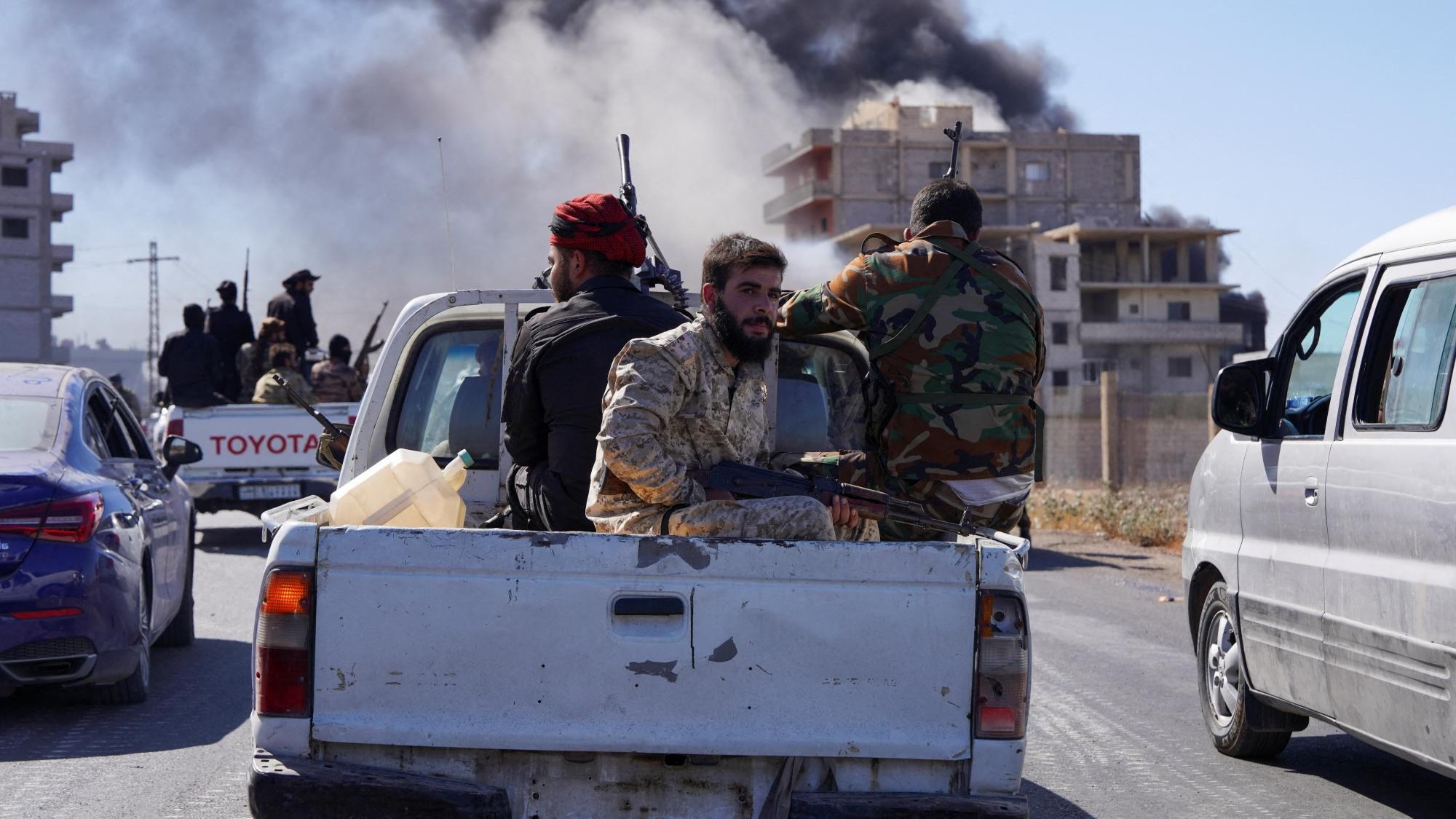

The latest confrontations have intensified when Israeli forces attacked Syrian soldiers moving into a city inhabited by the Druze community in the midst of persistent sectarian strife. This situation underscores the intricate and unstable dynamics in the area, where overlapping disputes among different ethnic, religious, and national groups keep driving unrest.
The Druze community, a unique religious and ethnic minority mainly living in regions of Syria, Lebanon, and Israel, frequently finds itself involved in broader regional conflicts. The city under discussion, recognized for its large Druze population, has seen an increase in sectarian conflicts, leading Syrian forces to intervene, likely to establish control or calm the situation.
Israel’s retaliation included airstrikes targeting Syrian military sites close to the city’s outskirts. The Israeli Defense Forces (IDF) defended these attacks as essential to deter additional Syrian military buildup in a critical border area and safeguard nearby communities from possible violence. This move highlights Israel’s continued strategic objective to limit the progress of Syrian and allied forces near its frontiers.
Sectarian clashes within the city have reportedly involved violent confrontations between different religious or ethnic groups, exacerbating long-standing tensions. These conflicts often stem from political, social, and historical grievances that have been intensified by the Syrian civil war and regional rivalries. The Druze population, known for its cautious approach to the conflict, has sought to maintain neutrality, but the escalation has placed them under increasing pressure.
The dispatch of military units by the Syrian government into the urban area could be seen as an effort to regain control over turbulent regions amidst a divided political scene. Nonetheless, these actions may escalate local conflicts and involve nearby nations more deeply in the turmoil. Israel’s involvement indicates its wider security approach to stop adversarial forces from establishing themselves near its frontiers and to discourage the influence of Iran and Hezbollah in Syria.
The scenario is continuously evolving, with accounts of civilian casualties and displacement as they are trapped in the conflict. Concerns over humanitarian needs are increasing, as the threat of broader escalation puts regional stability at risk. Aid groups are encountering difficulties in providing help due to the insecurity and disputed territorial claims.
International reactions to the developments have been mixed. Some parties call for restraint and dialogue to de-escalate tensions, while others emphasize the legitimacy of defensive measures taken by Israel to safeguard its borders. The United Nations and other diplomatic actors have urged all sides to avoid further violence and to prioritize civilian protection.
This segment is part of a larger pattern of sporadic skirmishes and military actions in southern Syria and near the Israeli frontier. The area continues to be a central point for proxy wars involving a variety of state and non-state entities, such as the Syrian government, opposition groups, Iran-supported militias, Hezbollah, and Israeli military units. All participants have strategic goals that frequently clash, adding to an unstable security situation.
The Druze community’s position is particularly delicate. Historically, they have sought to preserve their autonomy and security through a pragmatic approach, often navigating alliances carefully to avoid antagonizing dominant powers. The recent clashes and foreign military interventions threaten to disrupt this balance, potentially forcing difficult choices for local leaders and residents.
As tensions persist, the risk of broader military escalation looms. Continued Israeli strikes could provoke retaliatory actions by Syrian or allied forces, further entangling regional actors. Diplomatic efforts face significant obstacles given deep-seated mistrust and competing interests.
Supervising the humanitarian effect continues to be crucial. Relocation, destruction of infrastructure, and interruption of vital services present pressing issues for non-combatants. Potential longer-term effects might involve changes in population trends and intensification of community divisions.
The international community faces the complex task of addressing security concerns while promoting dialogue and reconciliation. Balancing respect for sovereignty with the need to protect vulnerable populations and prevent wider conflict requires nuanced engagement and sustained commitment.
The recent Israeli airstrikes on Syrian forces entering a Druze city following sectarian clashes underscore the ongoing volatility in the region. This incident reflects the intricate web of local, national, and international factors that fuel conflict in Syria and its border areas. As the situation evolves, efforts to de-escalate violence, protect civilians, and pursue political solutions remain essential to fostering stability and peace.


