
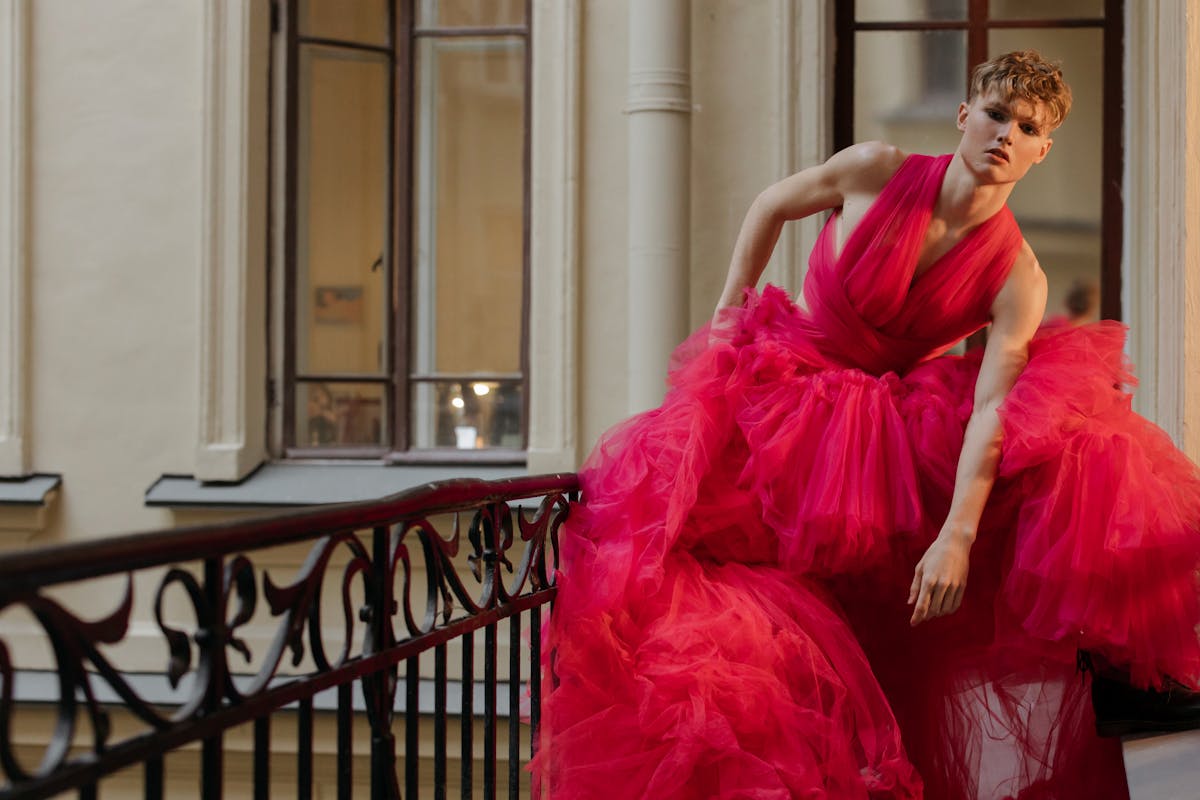

The fashion industry is a dynamic field that fuses creativity, culture, and commerce. Fashion awards play an integral role in recognizing and celebrating talent within this multifaceted industry. These awards not only honor designers and brands but also acknowledge influencers, models, and other key figures who contribute to shaping global fashion trends. Let’s delve into some of the most prestigious fashion awards and their significance.
The Role of Fashion Awards
Fashion awards serve multiple purposes, such as inspiring innovation, setting industry benchmarks, and fostering a global community. They encapsulate the achievements of individuals and entities, providing them with a platform to reach a broader audience. These awards often become trendsetters themselves, highlighting new directions in design, technology, and sustainable practices. Furthermore, winning or just being nominated for a significant fashion award can considerably elevate a brand’s prestige and reach.
Major Fashion Awards Around the World
One of the most renowned events is the CFDA Fashion Awards, organized by the Council of Fashion Designers of America. This ceremony celebrates the most outstanding contributions to American fashion. Winners gain heightened visibility, paving the way for increased professional opportunities.
The British Fashion Awards stands as another prestigious celebration hosted by the British Fashion Council, showcasing renowned figures alongside rising innovators. This ceremony highlights exceptional achievements in categories like Designer of the Year, the BFC Foundation Award, and Model of the Year. Its emphasis frequently centers on creativity and sustainability, reflecting contemporary priorities within the industry.
In Italy, the Camera Nazionale della Moda Italiana Fashion Awards is highly esteemed. This award reflects the rich heritage of Italian fashion, rewarding those who push boundaries while preserving traditional craftsmanship.
In Asia, the Tokyo Fashion Award showcases regional designers, providing them with global visibility and pathways for creative partnerships. This distinction plays a key role in bringing Japanese fashion sensibilities to audiences worldwide.
Classifications and Requirements
Fashion awards cover various categories, each with distinct criteria. These include, but are not limited to, Best Designer, Best Emerging Talent, and Accessory Designer of the Year. Often, awards are also given for lifetime achievement, recognizing enduring contributions to the industry.
Veteran judges often include seasoned designers, editors, and business leaders, who evaluate creativity, technical execution, originality, and influence within the fashion world. In recent years, factors such as environmental footprint and breakthroughs in sustainable methods have grown increasingly central to their assessment criteria.
Influence on Professional Paths and the Broader Industry
Securing a fashion award can profoundly reshape a designer’s career path, boosting media visibility while drawing interest from prospective investors and creative partners. When designers are honored, their achievements gain validation and offer emerging talents inspiring figures to follow.
The industry itself benefits from these awards, as they spotlight trends and champion diversity and inclusivity. They promote dialogues on important issues such as ethical fashion, technology integration, and new marketing strategies in fashion retail.
Evolution and Future Trends
As the industry evolves, so do the awards. Recent years have seen a shift towards recognizing technological advancements in fashion, including AI design and digital fashion shows. Furthermore, the move towards sustainability is expected to remain a central theme, encouraging eco-friendly design practices.
Ultimately, fashion awards will continue to inspire and guide both established figures and emerging talent, pushing the boundaries of what’s possible in the ever-evolving world of fashion while ensuring a vibrant and diverse industry landscape.


