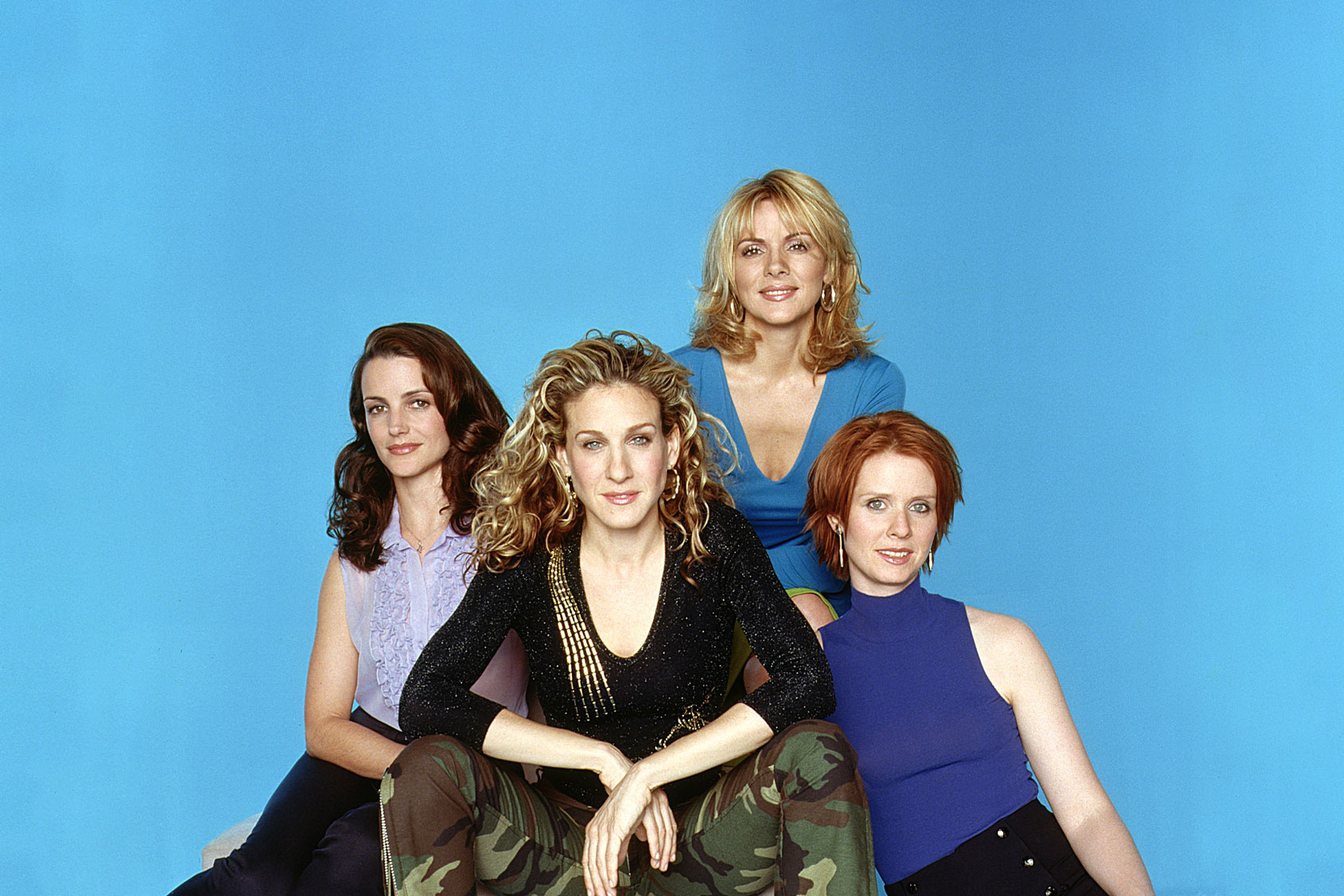

The highly anticipated continuation of the beloved series “Sex and the City,” titled “And Just Like That,” arrived with immense fanfare but ultimately left many viewers feeling underwhelmed. For a show that once defined a generation’s perspective on love, friendship, and fashion, its successor struggled to capture the same magic. The new series, which aimed to reflect the characters’ lives as they navigated their 50s, instead felt disjointed and out of touch with the very essence that made the original so iconic. It was a stark contrast to the witty, groundbreaking, and often raw narrative that fans had come to cherish.
A significant factor in the show’s reception was the notable absence of one of its core pillars, Samantha Jones. The strained relationship between the actresses behind Samantha and Carrie Bradshaw in real life translated into a clunky and unsatisfying storyline for their characters. Instead of giving a proper send-off to such a pivotal figure, the show relegated Samantha to off-screen text messages and vague mentions, which felt like a disrespectful dismissal of her importance to the group’s dynamic. Her absence created a noticeable void, as Samantha represented a vital source of humor, independence, and unapologetic sexuality that was sorely missed in the new installment.
Furthermore, the character arcs for the remaining trio, Carrie, Charlotte, and Miranda, felt forced and unauthentic. Carrie, the heart of the original series, was stripped of her signature introspection and unique voice. Her grief storyline, while a potential avenue for emotional depth, often felt melodramatic and lacked the nuanced exploration of her internal world that her columns once provided. Charlotte’s character, once a charmingly neurotic traditionalist, was pushed into storylines that felt cliché and superficial, failing to evolve her beyond her role as a doting wife and mother. Her struggles with parenting and social issues were presented in a manner that felt more like a checklist of modern problems rather than genuine human experiences.
Miranda’s transformation was perhaps the most jarring for long-time fans. Her journey from a cynical and pragmatic lawyer to a seemingly naive and stumbling student felt like a complete betrayal of her established personality. The show’s attempt to portray her mid-life awakening came across as a caricature, with her new-found love interest and exploration of queerness feeling less like a genuine discovery and more like a convenient plot device. This radical shift in character seemed to sacrifice her integrity for the sake of a “woke” narrative, alienating viewers who appreciated her for her realistic, no-nonsense attitude.
The introduction of new characters to compensate for Samantha’s absence and enhance diversity largely lacked successful integration into the narrative. Most of them appeared more as symbolic figures than as fully fleshed-out characters with unique storylines and motivations. The show’s efforts to tackle modern social topics, such as gender identity and racial disparities, appeared overbearing and moralizing. Discussions on these issues lacked the organic, engaging dialogue of the original show, resembling instructive seminars instead. This method stripped the series of its genuine charm, substituting its sharp humor with an overt attempt to be socially acceptable.
One of the most significant losses was the show’s iconic approach to fashion. In “Sex and the City,” fashion was a character in itself, an extension of the women’s personalities and a reflection of their emotional state. In “And Just Like That,” the fashion often felt like a costume, over-the-top and disconnected from the characters’ daily lives. While there were moments of brilliance, much of the wardrobe seemed to be a desperate attempt to capture the old magic, resulting in outfits that looked more like museum pieces than lived-in clothes. This superficial approach to style mirrored the show’s overall lack of substance.
The pacing and structure of the new series also contributed to its downfall. The narrative often jumped from one underdeveloped plot point to another, leaving no time for genuine character development or emotional resonance. The show’s short season format felt restrictive, forcing storylines to be rushed and resolutions to be unsatisfying. The original series thrived on its episodic nature, with each week offering a self-contained story that contributed to a larger narrative arc. The new format felt more like a fragmented collection of vignettes than a cohesive story, leaving audiences feeling like they were watching a highlight reel of missed opportunities.
Ultimately, the failure of “And Just Like That” can be attributed to its inability to understand what made “Sex and the City” so successful in the first place. The original show was a product of its time, a groundbreaking look at the lives of single women in New York City. Its charm lay in its honesty, its humor, and its unflinching portrayal of female friendships. The new series, by contrast, seemed to be trying too hard to be something it wasn’t, chasing after contemporary trends and social commentary without a solid foundation of character or story. It lost the authentic heart of its predecessor and, in doing so, lost its audience.
The show’s attempt to evolve the characters into their 50s missed the mark by failing to respect their established personalities. Instead of showing a natural progression, it forced them into situations and beliefs that felt completely out of character. This creative decision alienated the very fans who had grown up with these women and felt a personal connection to their journeys. The new series did not feel like a continuation of a story but rather a re-imagining of it, with key elements discarded in favor of a new, less compelling vision.
In the end, “And Just Like That” served as a disappointing reminder that some stories are best left untouched. While the nostalgia of seeing the characters return was a powerful draw, the show itself failed to deliver a narrative worthy of their legacy. It was a series that had the potential to explore the complexities of aging, loss, and change but instead opted for a superficial and uninspired approach. The result was a show that felt less like a celebration of friendship and more like a hollow imitation of a beloved classic.