
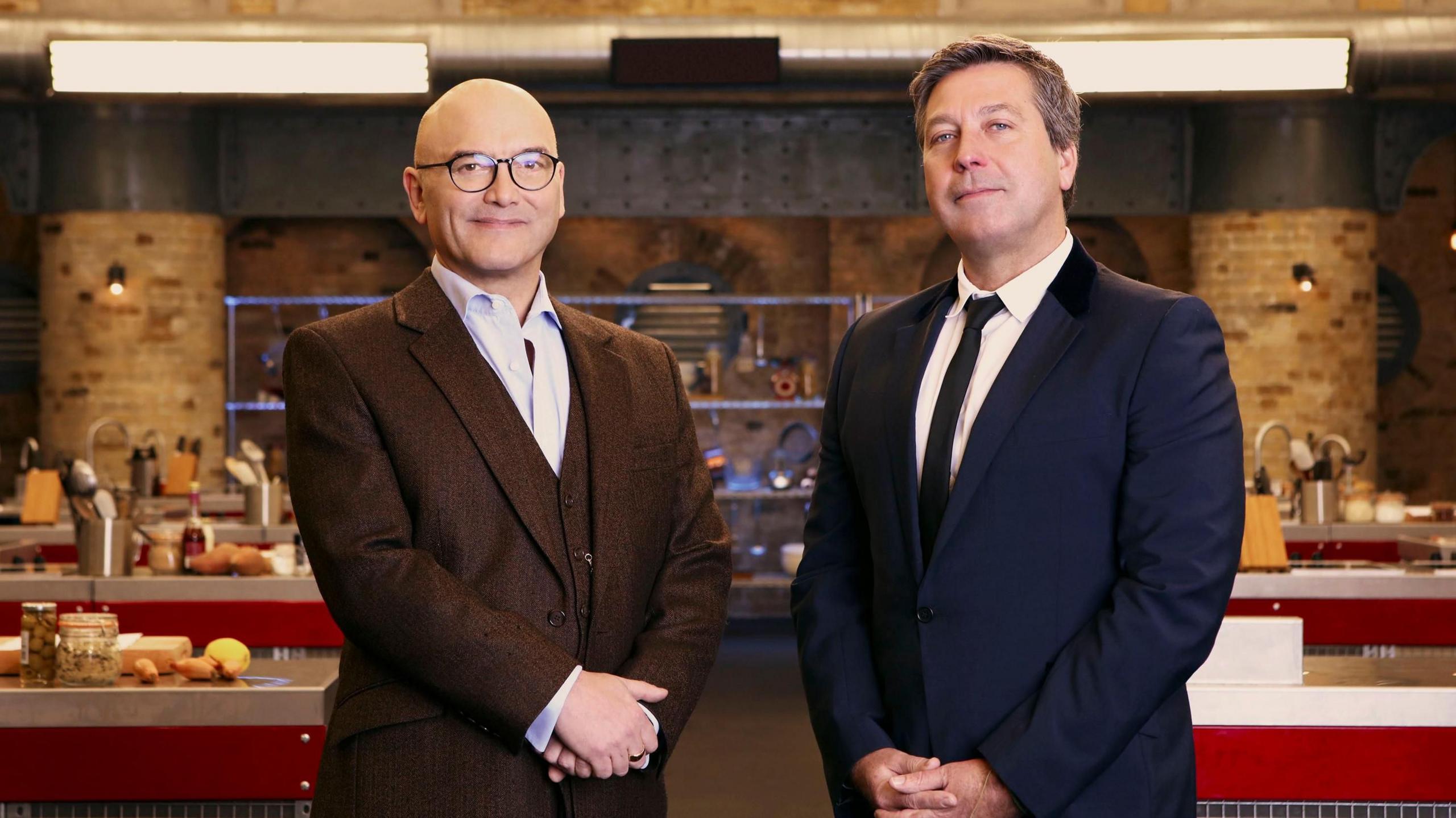

The newest installment of MasterChef has returned to television with much anticipation, reintroducing the familiar faces of its former hosts, yet with a notable shift in atmosphere. Although devoted fans might be pleased to see the original presenters back in the culinary contest, the program’s traditional light-hearted banter and comedic moments seem to be missing.
The hosts, who were previously let go under circumstances that sparked public debate and fan disappointment, have quietly resumed their roles. Their reappearance has sparked conversation across media platforms, with many fans expressing both relief and curiosity about the change in dynamics. However, what’s immediately noticeable to viewers is the shift in atmosphere. The usual playfulness, witty remarks, and moments of levity that once punctuated the intense kitchen showdowns are conspicuously missing.
In previous seasons, the hosts were as much a part of the show’s identity as the contestants and dishes. Their chemistry, often built on spontaneous humor and occasional sarcasm, provided balance to the otherwise high-pressure environment of competitive cooking. It was this unique blend of culinary critique and entertainment that helped the show gain a loyal global audience.
This season, however, the approach seems more restrained. The hosts now carry a more formal tone, focusing strictly on technical aspects of the competition. Feedback is precise, guidance is professional, and interactions are noticeably more measured. While some might interpret this as a mature evolution of the show, others feel it lacks the warmth and personality that previously defined the hosts’ presence.
Experts in the field propose that the shift might stem from modifications in production due to previous disputes. Following their removal, it is probable that the reappointment of the hosts involved stipulations—perhaps demanding a polished public persona and prioritizing professionalism above personal charisma. As TV networks keep adapting to viewer awareness and evolving cultural standards, dialing back on comedy could have been a calculated choice.
The response from fans has been varied. On one side, there is gratitude for seeing familiar characters who were pivotal to the show’s success come back. Conversely, some dedicated viewers have used social media to express their dissatisfaction regarding the perceived absence of charm in the episodes this season. Numerous people believe that the core of MasterChef has always been a combination of skill, narrative, and the friendship cultivated by its presenters.
Commentators also note that the revised tone could influence how contestants engage with the competition. Without the levity previously provided by the hosts, the mood in the kitchen feels more intense, even sterile at times. Moments that once allowed contestants to showcase their personality outside of their cooking skills are fewer and far between, which could impact the emotional connection viewers form with participants.
This shift raises larger questions about the evolution of reality television and how shows must continuously recalibrate to maintain both ethical standards and entertainment value. While professionalism and respect are cornerstones of modern broadcasting, audience expectations still include an element of showmanship. Striking that balance is particularly difficult in a program like MasterChef, which has historically combined culinary rigor with human drama and light comedy.
The creators have not made any official statements regarding the evident shift in tone, and the presenters have not discussed it in public. Nevertheless, individuals associated with the production hint that this more subdued and concentrated approach could aim to refocus the competition on cuisine and skill, instead of commentary that highlights personalities.
Although adjustments have been made, the initial ratings show that the number of viewers is still solid. People keep watching for the intense challenges, the impressive displays of gourmet cuisine, and the motivating tales of participants from various walks of life. The essential elements of the show—drive, expertise, and change—stay the same, even as its mood alters.
In time, the new season may find its rhythm, potentially reintroducing elements of humor as comfort levels rise and public response becomes clearer. Television history has shown that even the most beloved shows can endure transformation and still thrive, provided the essence remains true to its original appeal.
At present, the former hosts’ comeback without their signature humor signals a fresh chapter in MasterChef’s enduring saga. It’s uncertain if this change will reshape the show’s character or act merely as a temporary stage. Nonetheless, it’s apparent that MasterChef is exploring the intricate domain of renewal—balancing heritage, viewer anticipations, and the shifting world of contemporary television.


